Is Salt Air Damaging My Outdoor AC or Heat Pump? Signs to Watch
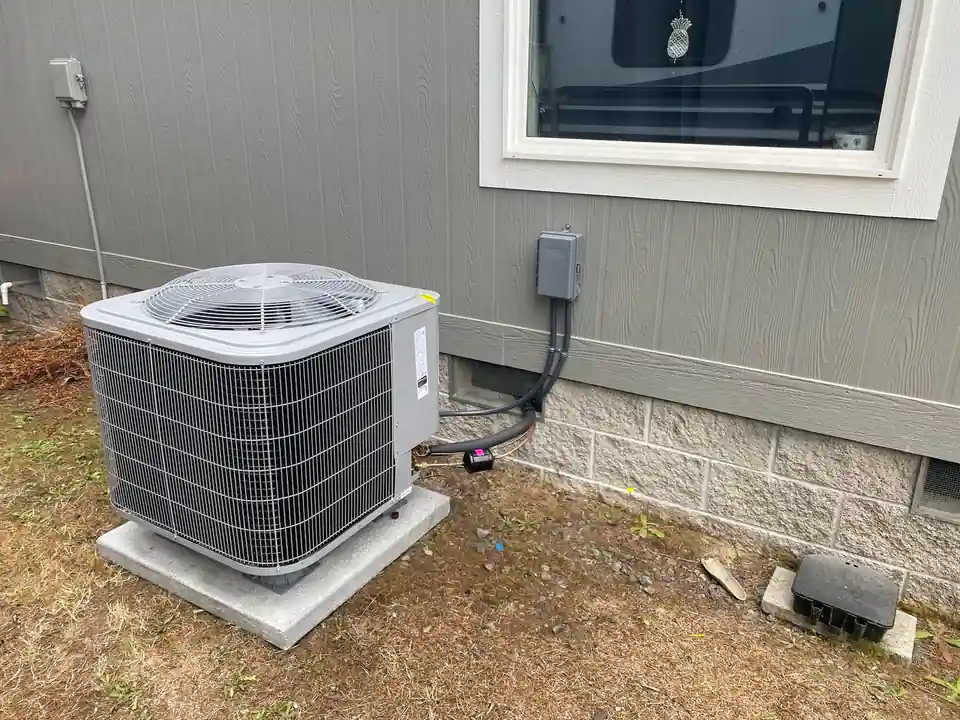
In Bandon, we get to enjoy a beautiful coastal environment throughout the year. While our climate offers many benefits, it can be harsh on heating, ventilation, and air conditioning (HVAC) components. Salt air can lead to significant corrosion, leading to premature repairs and replacements.
By understanding how salt air is damaging AC components and the best preventive techniques, you can avoid unnecessary damage. If coastal AC corrosion does occur, you can reach out to Alpha Heating & Air for a full evaluation and repairs.
Why Salt Air Is Hard on Outdoor HVAC Equipment
Salt, moisture, and wind exposure work together to accelerate the corrosion on your unit’s coils, fasteners, fins, cabinets, and electrical parts. In one study, salt air was found to corrode coastal homes that were within 80 feet of the shoreline 10 times faster than homes that were 800 feet landward.
The coastal marine environment carries salt aerosols that settle on AC components. Eventually, this leads to salt air heat pump damage, more frequent repairs, and earlier replacements.
Signs Salt Air May Be Affecting Your System
When your Bandon AC is in salt air, it is more likely to develop the following problems.
Corroded Coil Fins
Thanks to our wet winters and salt air, coil fins often become corroded. Eventually, this can lead to refrigerant leaks. If the leak isn’t caught, it can strain the compressor, increase your home’s energy consumption, and result in more costly breakdowns.
Rust on Cabinet Panels or Fasteners
Rust on cabinet panels and fasteners can occur because of the salt air. For the most part, this type of rust is cosmetic in nature and won’t affect your AC performance nearly as much as corroded coil fins or electrical contacts will.
Pitted Electrical Contacts
Another indication of the salt air damaging AC components is pitting. When this occurs, it creates poor electrical connections that can generate heat and increase the risk of electrical arcing. Because of the increased electrical arcing, the contacts will likely need to be replaced.
Reduced Cooling or Heating Performance
Due to salt air heat pump damage, your heating and cooling performance can drop significantly. All of the corrosion, pitting, refrigerant leaks, and other issues from the salty air cause your system to work harder and use more energy than it normally should.
Repeated Outdoor-Unit Repairs
Over time, the salt air can result in more frequent repairs. Eventually, the best option may be to get an AC or heat pump replacement instead of continuing to repair the unit.
Refrigerant Leak Concerns
Because of AC coil corrosion, refrigerant leaks are more common in seaside locations.
What Is Normal Aging vs. a Repair Concern?
Light cosmetic weathering differs from HVAC damage that affects your electrical systems, refrigerant levels, airflow, and overall performance. If you notice any of the following signs, you need to schedule a repair or maintenance appointment.
- Refrigerant leaks
- Corrosion on fan blades and motors
- Premature equipment failure
- Corroded terminals
- Pitting or crumbling on the edges of the fins
- Blue-green corrosion on refrigerant lines
- Inexplicably high energy bills
- Unusual noises
- Ice buildup and frozen coils
What Homeowners Can Do Safely
If you’re dealing with Bandon’s salt air and heat pump damage, there are a few things you can do to protect your system. Through the following prevention techniques, you can avoid future repairs.
- Maintain Clearance: Keep 2 to 3 feet of clearance around the outdoor unit. This ensures proper airflow and keeps debris from holding moisture next to the unit.
- Avoid Hard Pressure Washing: You should never pressure wash your outdoor unit. Instead, use your hose on a gentle setting to wash away salt, dirt, and debris.
- Report Visible Corrosion: If you see any visible signs of corrosion, tell your HVAC technician during your next routine maintenance appointment.
- Never Open Electrical Panels: For your safety, you should never open electrical panels. All electrical work should be left to licensed technicians.
When Repair May Not Be the Best Long-Term Choice
While AC and heat pump repairs can resolve some problems, it isn’t right for every case. In the following situations, you may want to replace the unit instead of simply repairing it.
- Age: An older HVAC system is likely going to need more frequent, costlier repairs. Because of this, an AC or heat pump replacement is likely a better choice.
- Coil Condition: If there is enough pitting and corrosion on the coils and fins, a replacement is a good option. When you get a new heat pump or AC installation, you can also consider an epoxy-coated coastal unit that withstands the salt air better than standard units.
- Repeated Repairs: HVAC systems that require repeated repairs over a short time period are likely at the end of their lifespan and should be replaced.
- Refrigerant History: Units that rely on phased-down (R-410A) and phased-out (R-22) refrigerants can be more expensive to maintain and repair. Homeowners may want to replace these units sooner rather than later.
- Replacement Planning: If you’re already planning on a future replacement, it may make sense to pull the trigger a little earlier than you expected.
How Alpha Evaluates Coastal Equipment for Salt-Air Damage
If you’re struggling with AC and heat pump corrosion on the Oregon Coast, we can help. Our team can quickly come to your home to perform a full evaluation. We will inspect the coils and electrical components for signs of damage. Then, a technician will use a temperature split test and a manifold gauge set to check your refrigerant levels. We’ll also review your maintenance history and test your unit’s performance.
Schedule Outdoor AC or Heat Pump Service in Bandon
Over time, an outdoor unit’s rust becomes more than just a cosmetic issue. The pitting and corrosion can lead to refrigerant leaks, poor performance, and increased energy bills.
Because of Bandon’s proximity to the beach, it’s common for homeowners to deal with salt air damaging AC components. If you notice visible corrosion or performance changes, reach out to our team for a full evaluation and diagnostics.
Book your heating and cooling inspection today.
Service Request
"*" indicates required fields