Author: Gabriella Reign Africa

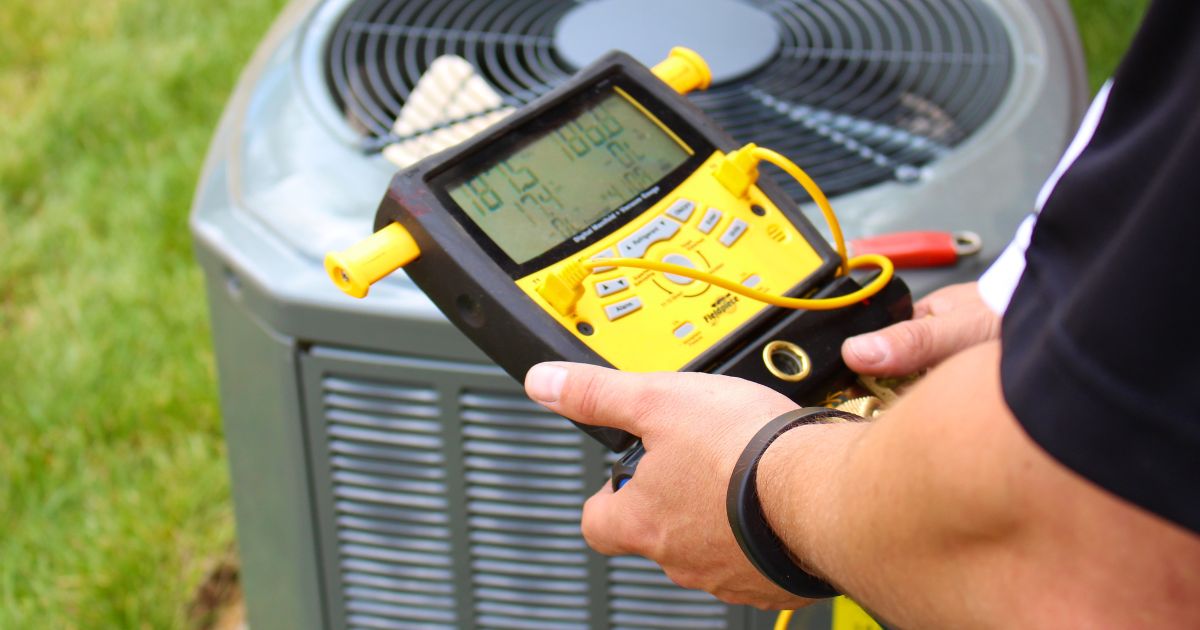
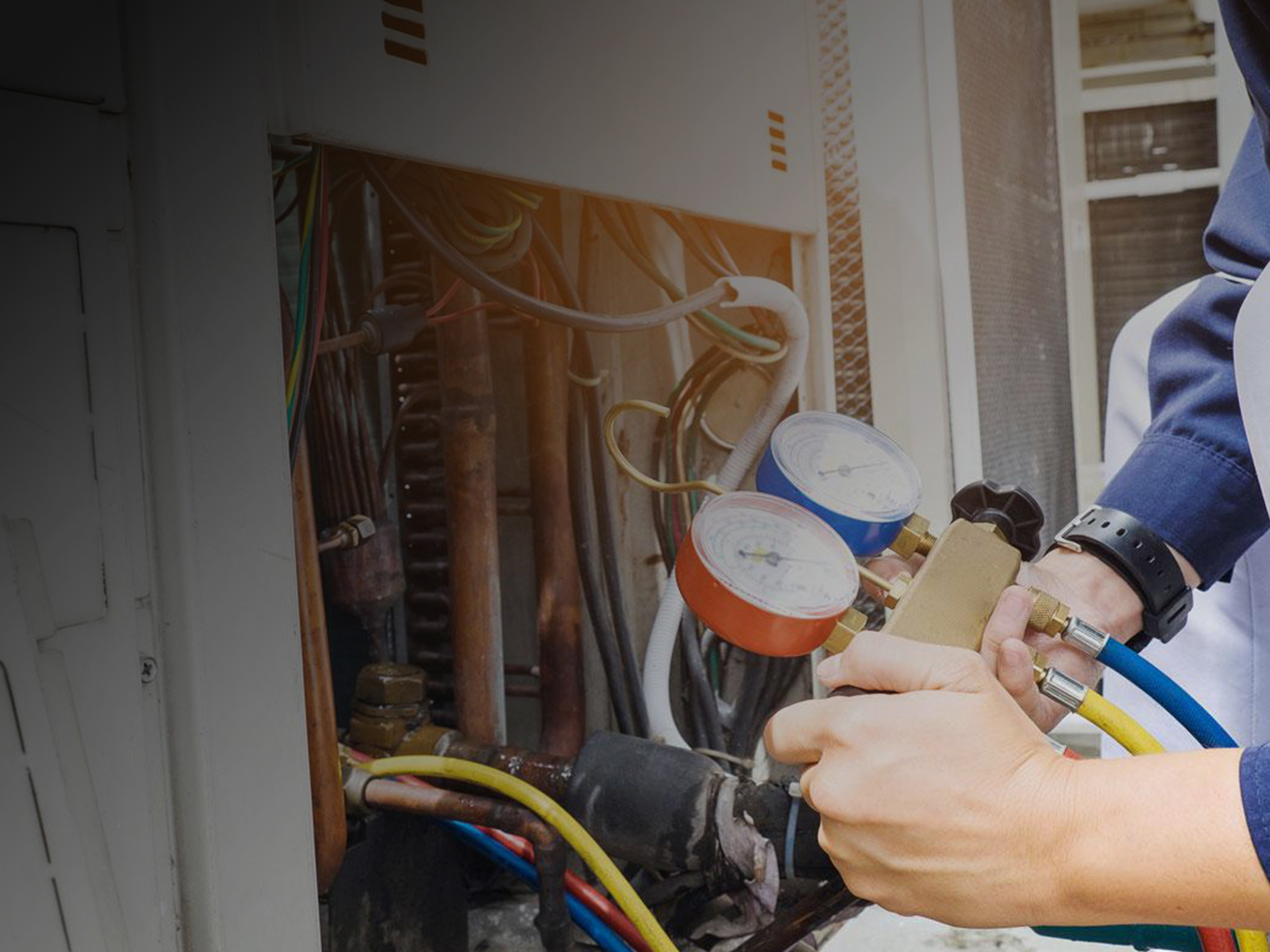
Technician servicing an HVAC in Bandon home

5 HVAC Sounds You Should Never Ignore: What They Mean

Screeching, banging, and clanking noises are never sounds you should hear coming from your heating, ventilation, and air conditioning (HVAC) system. If you have HVAC sounds to worry about, it’s important to address them right away. Left unrepaired, minor issues can quickly escalate into costly repairs and complete HVAC breakdowns.

Why Your HVAC System Makes Noise

From time to time, you might notice your cooling and heating system has strange sounds. Typically, this only happens if something is wrong with it. Delayed AC and furnace maintenance can lead to dirt buildup, worn components, and premature breakdowns. Similarly, dirty air filters can cause whistling and whirring sounds. Damaged ductwork and loose components can also make strange sounds.

Normal Operating Sounds vs. Warning Signs

Before you worry about an AC or heat pump making noise, it helps to understand what to look for. During normal operation, you may hear clicking sounds on startup and a consistent, quiet humming while the unit operates. Any other noises are signs you should call for professional furnace, AC, and heat pump repairs.

1. Screeching or Squealing

Squealing is an immediate cause for concern. If this problem isn’t addressed quickly, it can lead to more costly repairs.

What Causes It

These noises are often caused by high internal pressure in your outdoor condenser. It can also be due to worn fan belts and faulty motor bearings.

How Urgent Is It?

When it comes to HVAC sounds to worry about, you shouldn’t ignore screeching sounds. If this isn’t fixed in 24 to 48 hours, it can result in total motor or compressor failure.

2. Banging or Clanking

Concerned about your furnace’s banging sound? While the repair is likely fairly straightforward, this is only true if you fix it right away.

What Causes It

Banging and clanking sounds typically stem from a loose or broken component, such as the motor mount, blower fan blade, or connecting rod.

Should You Turn the System Off?

You should always turn your system off when these noises occur. If you keep running your furnace, it can cause lasting damage. The good news is that furnace repairs may be fairly straightforward, such as tightening loose components or replacing a broken part.

3. Persistent Clicking

If you hear an HVAC clicking noise, it is likely due to airflow, electrical, or mechanical problems. Because the cause can vary, it’s a good idea to get this problem diagnosed by a professional.

Startup Clicks vs. Continuous Clicking

Startup clicks are normal. If the clicking noises continue during normal operation, you should call one of our HVAC technicians for help.

What This Means for Gas Furnaces vs. Heat Pumps

If a furnace makes clicking noises and fails to produce heat, you’re likely dealing with a failed igniter, inducer motor issues, or dirty flame sensors. All of these problems can be potentially dangerous, so turn off the unit and shut off any gas supply before calling for repairs.

With heat pumps, clicking sounds often relate to a failing electrical component. For example, this noise can come from failing capacitors, contactor relays, and wiring. You should always leave this type of electrical troubleshooting to the professionals.

4. Hissing

Hissing noises are typically an indication that there are refrigerant or duct leaks in your home.

Refrigerant Leaks vs. Duct Leaks

A refrigerant leak will cause a hissing or gurgling sound. You’ll also notice poor HVAC performance as refrigerant levels drop. These noises will be heard near your indoor or outdoor unit.

If your ductwork is the problem, the noise will sound like it’s coming from your walls, ceilings, or wherever the ducts are. Besides wasting energy and making your HVAC system work harder, this can also negatively impact your family’s comfort.

Why This Sound Matters on the Oregon Coast

On the Oregon Coast, our salt air causes extra corrosion. As a result, refrigerant and duct leaks are more common.

5. Grinding

You’ll hear an AC grinding sound when the blower motor bearing fails. The noise will get louder over the 10 to 15 seconds after your system starts. Alternatively, this sound can be due to a faulty compressor or loose parts.

What Is Happening Inside Your System

To see if the motor bearing is at fault, stand next to your indoor unit. You’ll be able to feel vibrations in your ductwork as the bearing seizes. At this point, continuing to run your unit can transform a $300 bearing replacement into a $900 motor replacement.

Why Immediate Attention Prevents Bigger Damage

When this problem isn’t dealt with promptly, it causes added friction on your unit and overheating. Eventually, this causes more costly damage.

On the southern Oregon coast, our salt air makes bearings corrode faster. It’s unfortunately quite common to see bearing failures two to three years earlier in coastal installations than in inland HVAC systems.

What To Do When Something Sounds Wrong

While there are a few things you can do on your own, you should always reach out to a professional if you don’t understand your strange furnace noise meaning and need complex diagnostics.

Steps To Take Before Calling a Technician

You can quickly try troubleshooting your HVAC by changing your filter and cleaning around your outdoor unit. Additionally, check your thermostat and breaker panel for tripped breakers and incorrect settings.

Knowing when to call an HVAC technician is important for preventing lasting damage to your HVAC systems. From heat pump maintenance to same-day AC services, our team can help with all of your HVAC malfunctions.

When To Shut the System Down Immediately

You should immediately shut down your system if you detect safety hazards, such as smoke, burning odors, or overheating. Additionally, turn off the system and call for help in the following situations.

  • Unusual sounds
  • Odd odors
  • Constant short cycling
  • Repeatedly tripped breakers
  • Frozen coils

Get Professional Help

Struggling to understand the meaning of your strange furnace noises? We can help. When our technicians show up for a noise complaint, we carefully listen to your entire system during a full startup cycle. We’ll note if the sound changes during ignition, blower ramp-up, or regular operation. Depending on what we hear and when, we can tell what the problem is.

If you have HVAC sounds to worry about, you’re not alone. Call today for a professional HVAC inspection in Bandon.
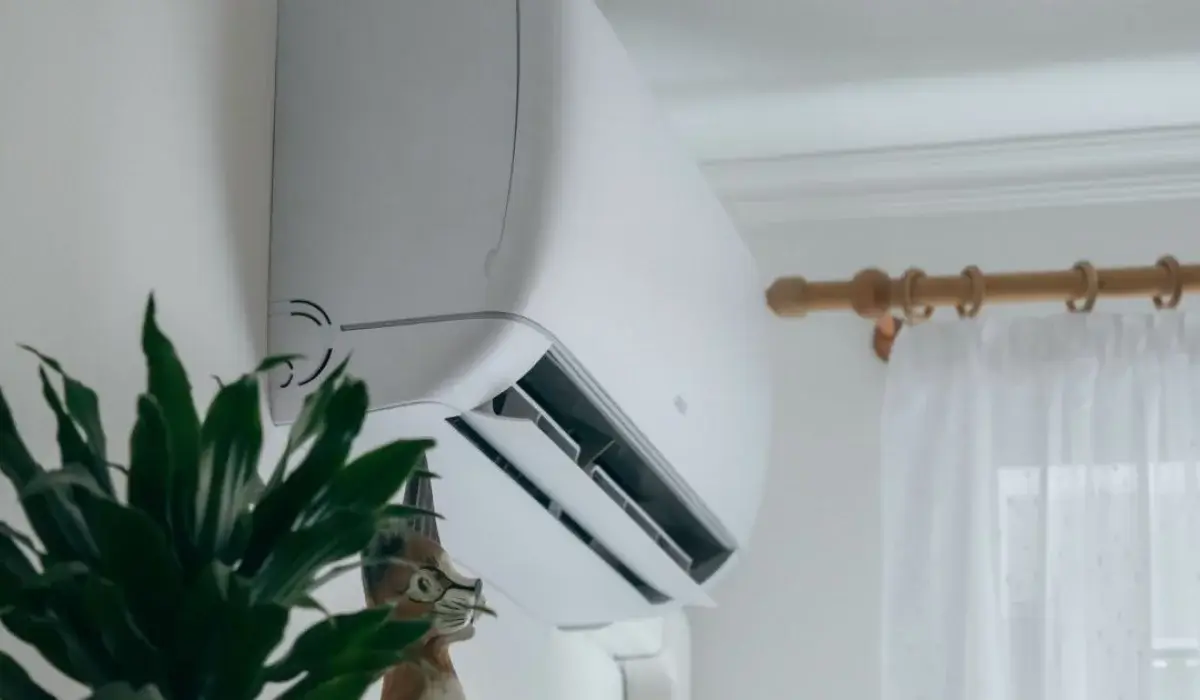
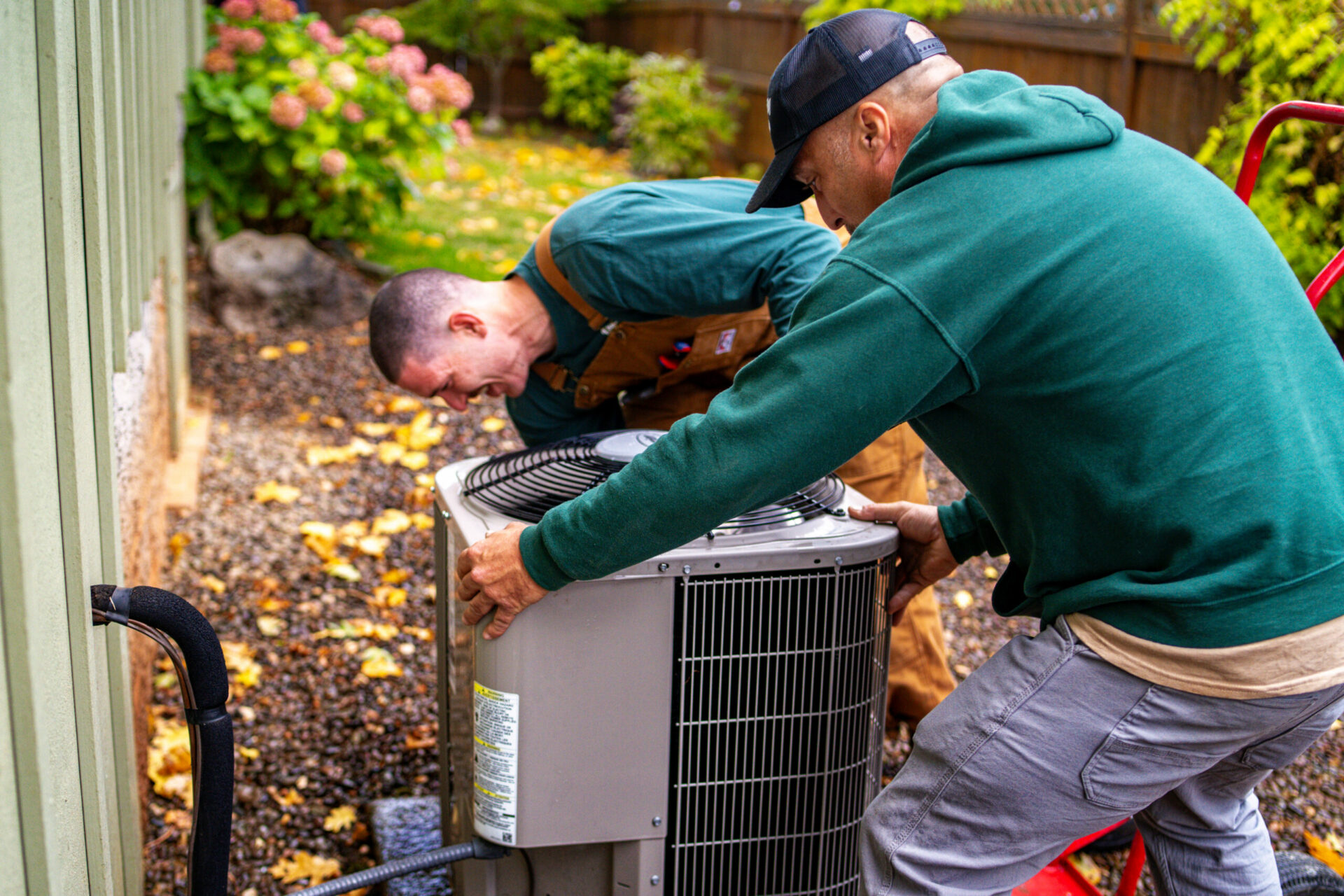
Newly installed Cooling system in Bandon home.

Heat Pump vs. AC: Which Cooling Option Makes More Sense on the Oregon Coast?

While we may have mild summers, it can still get uncomfortably hot during a heat wave. To keep cool, local homeowners need a cooling system installed in their homes. For whole-home comfort, a heat pump or an air conditioner is a necessity.

To help you decide between a heat pump vs. AC on the Oregon Coast, we’ve gathered together some of the most important factors for making your decision.

Why This Question Matters for Bandon Homeowners

For Bandon residents, the local climate plays a major role in which system you choose. Our combination of mild summers and minimal cooling demand means a heat pump installation is often the better choice.

Bandon’s Mild Summers Change the Equation

In Bandon, you can expect the summer high to rarely go over 65°F to 70°F. Because of this, you’ll rarely need to cool your home more than 15 to 25 days per year. For most of our mild summers, an air conditioner would be sitting unused.

The Real Cooling Demand on the Southern Oregon Coast

When it comes to a heat pump vs. AC on the Oregon Coast, you’ll generally want to opt for a heat pump. Bandon’s light cooling load means a heat pump is a more efficient choice for the summer. From October through April, a heat pump can deliver a strong return on your investment by providing efficient heat during the coldest days of the year.

How Heat Pumps and Air Conditioners Work Differently

While heat pumps and air conditioners both use refrigerants, there is a fundamental difference in how they work.

Cooling Mode Comparison

Refrigerants are designed to absorb and transfer heat. Air conditioners use refrigerants to transfer heat from inside your home to the outdoors.

In comparison, heat pump installations can transfer heat in both directions. They move heat from indoors to outdoors in the summer. Then, they can transfer residual outdoor heat in the winter to warm up your home.

The Year-Round Advantage of a Heat Pump

Because of this dual function, a heat pump is an excellent option for coastal Oregon. Plus, heat pumps are also available in ductless systems. These systems involve installing an air handler in different zones and connecting them to an outdoor unit. If you don’t have existing ductwork, a ductless heat pump is a cost-effective cooling option.

Unsure about the differences between a ductless heat pump vs. central AC? Reach out to our heating, ventilation, and air conditioning (HVAC) technicians today.

Cost Comparison for Coastal Oregon Homes

Although a heat pump’s cooling efficiency in coastal Oregon is exceptional, the cost can be a major factor. Fortunately, there are also rebates and tax credits available that can lower the price.

Upfront Cost vs. Total Cost of Ownership

When considering a heat pump, central AC, or ductless heat pump systems, you can expect to pay the following upfront costs.

However, heat pumps are known for being much more efficient, so you’ll save money on energy costs over time. According to one estimate, switching to a heat pump can save the average home around $300 per year on energy costs.

Available Rebates and Tax Credits for Heat Pumps

It’s also important to note that the upfront cost of a heat pump is generally lower than it appears. For example, new manufactured homes can get a rebate of up to $4,000 for installing a heat pump. On the federal level, the Energy Efficient Home Improvement Credit provides up to $2,000 or 30% of upfront costs, whichever is lower. Additionally, many Oregon utility providers offer rebates.

Coastal Climate Factors That Affect Your Decision

From coastal fog to salt air, summer cooling on the southern Oregon coast involves unique requirements. Before you decide between the best heat pump vs. an air conditioner in Bandon, it helps to consider how the area’s coastal climate impacts your decision.

Salt Air, Humidity, and Equipment Durability

Another factor when choosing between a heat pump vs. an air conditioner in Bandon is our salt air. The salt air can quickly become corrosive, which is why it’s important to work with a company that understands our local environment.

When we install systems within a mile of the ocean, we use coated condenser coils to prevent corrosion from the humid salt air. Then, we recommend performing quarterly coil rinses to prevent salt from building up. If a standard uncoated unit is installed in the same area, it can show visible signs of corrosion in just two years.

How Coastal Fog and Marine Layer Affect Cooling Loads

Our coastal fog and marine layer serve as a natural kind of air conditioning, keeping our summer temperatures relatively low. This layer blocks solar radiation and reduces the peak temperature, which is why air conditioning isn’t needed for as long each day.

Which Option Is Right for Your Home?

When deciding on the best cooling system in Bandon, OR, there are a few factors you should take into consideration. While a heat pump is generally the best choice, there are situations where you might want an air conditioning unit instead.

When a Heat Pump Is the Clear Winner

A heat pump is typically the best choice because it provides heating and cooling. Heat pumps also make sense if:

  • You are converting from an oil, propane, or electric resistance heater.
  • You’re concerned about humidity levels and want a low level of conditioning and dehumidifying.
  • You want to take advantage of energy-efficiency rebates and tax credits.

When a Standalone AC Still Makes Sense

While a heat pump is generally the best choice for our relatively mild winters and summers, there are situations where you may want to get an AC installation in Coos County instead.

  • Your home already has a great heating system that you love.
  • You have a tight budget and want a lower upfront cost.

Talk to a Carrier Factory Authorized Dealer About Your Options

When you work with a Carrier Factory Authorized Dealer and NATE-certified technicians, you can be confident about the quality of your services. Both programs require rigorous training on repairing and installing premium systems.

Interested in learning more about having a heat pump vs. AC on the Oregon Coast? Reach out to our HVAC experts today.

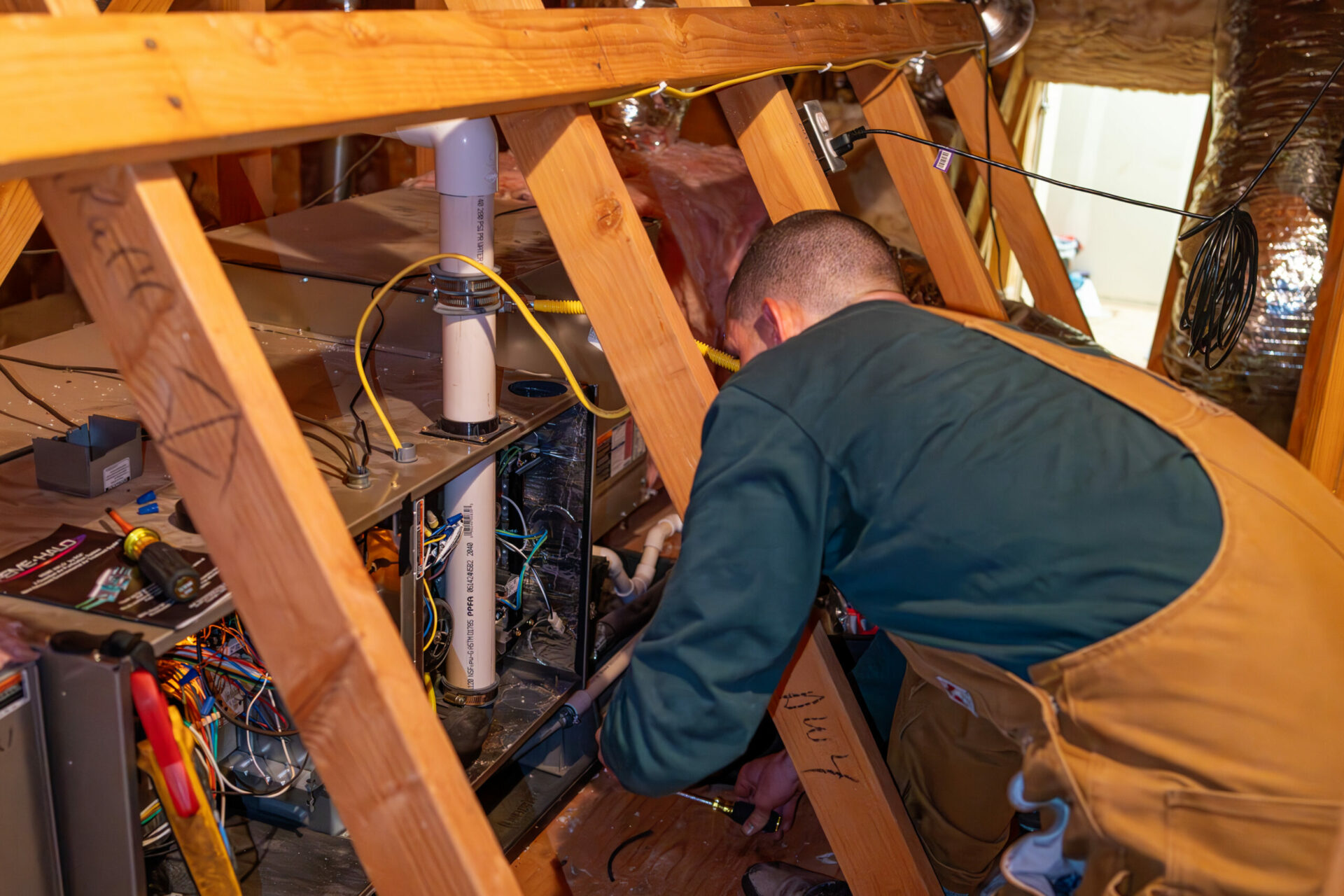
Technician servicing a heating system during maintenance in Bandon

Protecting Your Heating System From Bandon’s Coastal Salt Air

From its Circles in the Sand labyrinth to the Coquille River lighthouse, Bandon is famous for its oceanfront environment. While residents love the dramatic coastline and sea air, the salt can wreak havoc on heating, ventilation, and air conditioning (HVAC) equipment. To avoid unexpected breakdowns and costly repairs, homeowners should be proactive about dealing with salt air and heating system damage in Bandon, Oregon.

Why Bandon Homes Face Unique Heating Challenges

Most Oregonians don’t have to worry about the impact of salt air on their heat pump or furnace because they live too far from the sea. Our local difficulties exist because of how salt air impacts equipment. If you live close enough to the ocean, you’ll need to monitor furnace and heat pump corrosion in Bandon, Oregon.

The Science of Salt Air Corrosion

When it comes to salt air and heating system damage in Bandon, OR, there are a few scientific mechanisms involved. Salt contains sodium chloride, which is known to accelerate corrosion when it’s in the presence of water. Additionally, salt particles attract water. Once these particles are on the unit, they cause the unit to remain moist. Salt and water also form an electrolyte solution. Because of the heat pump’s copper tubes and aluminum fins, galvanic corrosion occurs.

How Close to the Ocean Is Too Close?

You should be concerned about salt air and heat pump damage on the Oregon Coast if you are within five miles of the ocean. Homes that are within a mile or less of the ocean are at an even higher risk level.

How Salt Air Affects Each Part of Your Heating System

You can visually see the impact of salt air on your HVAC equipment. Chalky white oxidation and pitting can build up on the aluminum fins, and a green-gray corrosion can start to build up on the unit’s electrical contacts.

Outdoor Coils and Refrigerant Lines: The First Line of Attack

The coils and refrigerant lines are often the first locations to deal with salt air and heating system damage in Bandon, Oregon. Corrosion attacks both areas, leading to refrigerant leaks and lower energy efficiency.

Electrical Contacts and Control Boards: The Hidden Risk

You can see green-gray corrosion on electrical contacts from salt air. Over time, the salt moisture can get into the control board and cause error codes. If this isn’t resolved, it can result in a total failure.

Heat Exchanger Corrosion: Why This One Matters Most for Safety

When corrosion occurs on heat exchangers, it eventually causes pitting. This can cause the heat exchanger to crack and leak carbon monoxide gas. If this happens, immediately turn off the unit and call for help because this is a serious safety risk.

Signs Your Heating System Has Salt Air Damage

If you notice the following signs, it’s time to schedule heat pump maintenance in Bandon, OR.

Visible Rust or White Corrosion on the Outdoor Unit

Rust and corrosion indicate that the salt air is already degrading your heating system. Left untreated, this can lead to lower energy efficiency and HVAC failure.

Reduced Heating Performance Without an Obvious Cause

When your heating performance drops without any obvious reason, there is likely something wrong with your unit.

Increased Energy Bills With No Change in Usage Habits

If you’re dealing with furnace or heat pump corrosion in Bandon, Oregon, you’ll likely experience higher energy bills because your system has to work harder to achieve the same performance level.

Why Bandon Homes Need Maintenance More Often Than Inland Homes

When you live in areas like Face Rock, Beach Loop Drive, and the Old Town waterfront, you’ll experience significantly more corrosion than places that are just five miles inland on Highway 32. Salt air worsens corrosion, shortening the lifespan of condenser coils and electrical components. Plus, wind, sand, and high humidity levels add to the strain.

The Coastal Maintenance Standard: Twice a Year, Not Once

When it comes to coastal heating system maintenance in Oregon, you need to schedule two tune-ups per year instead of one. This extra tune-up is essential for cleaning delicate components and equipment to reduce the impact of salt corrosion.

What a Coastal HVAC Tune-Up Covers

As a part of our coastal HVAC maintenance in Bandon, OR, we make sure to carry out the following activities during each tune-up.

  • Clean off salt, sand, and corrosion from fins, coils, and other important components.
  • Use a corrosion-resistant coating to protect the unit.
  • Check electrical systems for damage, which is more common in coastal units.
  • Tighten components that have been loosened by the wind.
  • Flush the drain line.
  • Conduct a deep coil cleaning.

How to Protect Your System From Salt Air Damage

Besides scheduling HVAC maintenance in coastal Oregon, there are a few important steps you can take to prevent damage and protect your unit’s longevity.

Corrosion-Resistant Coil Coatings: What They Are and How They Work

When dealing with heat pump corrosion in Bandon, Oregon, one of the best things you can do is use corrosion-resistant coil coatings. These spray-on barriers protect the coils from moisture and salt.

Rinsing Your Outdoor Unit: The Simple Monthly Habit

You can use fresh water from your garden hose to rinse off salt each month.

Choosing Coastal-Rated Equipment

By deciding to install a corrosion-resistant heat pump in Bandon, you can prevent damage and save on repairs. For example, Carrier’s Coastal line was designed to work well in seaside areas.

Frequently Asked Questions

How long does a heat pump last near the Oregon coast?

While a heat pump typically lasts 10 years or more, units in coastal areas may fail in less than 10 years. By scheduling tune-ups and taking steps to prevent salt damage, you can extend the lifespan of your unit as much as possible.

Does salt air void my HVAC warranty?

No, it doesn’t. However, salt-related corrosion and damage can be denied for coverage because they are counted as “environmental damage” or a “lack of maintenance.” Often, warranties in coastal areas have special restrictions. The best way to ensure your unit lasts as long as possible is by consistently booking your coastal HVAC maintenance in Bandon, OR.

Protect Your Heating System From the Salt Air

Bandon’s salt air doesn’t take a season off, and neither should your heating maintenance. If your system is overdue for a coastal tune-up, schedule your heat pump service with Alpha Heating & Air. Our team has been caring for Bandon homes since 1993.

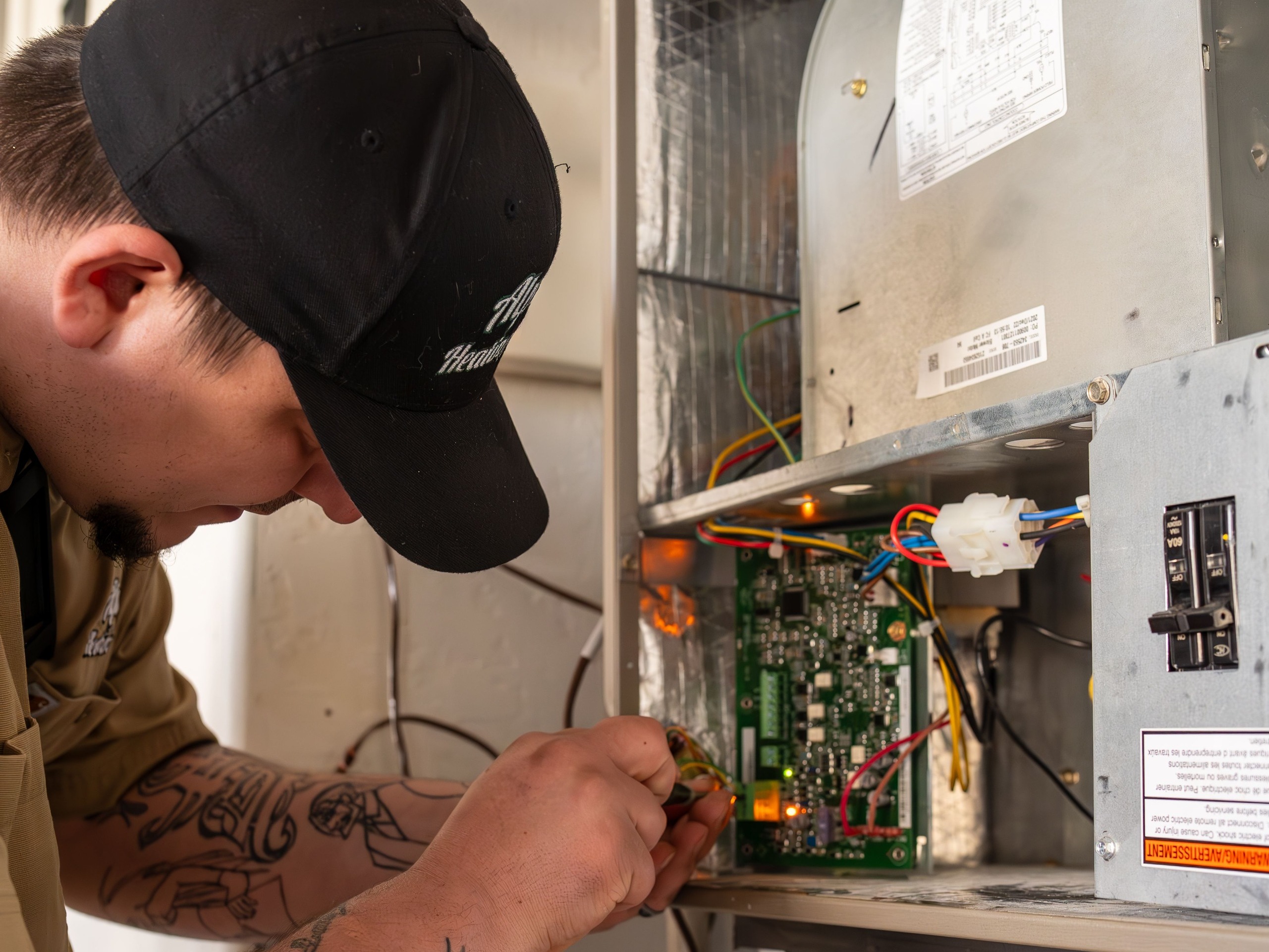
Technician servicing an AC during maintenance in Bandon home.

Spring AC Tune-Up in Bandon, OR: What Coastal Homes Need to Know

As the weather warms up, it’s time to open the windows and start spring cleaning. To make sure your home is ready for the first heat wave, don’t forget to schedule a spring AC tune-up in Bandon, Oregon. Our coastal environment places added stress on heating, ventilation, and air conditioning (HVAC) systems, making routine tune-ups a must.

Why Bandon Homes Need a Spring AC Tune-Up More Than Most

There are a few reasons why tune-ups are especially important if you live in Bandon, OR.

What Coastal Oregon Winters Do to Your AC

While you enjoy the holidays during the winter months, our area’s rainy weather, humidity, and salt air are secretly wreaking havoc on the inside of your HVAC system. Salt air and moisture lead to corrosion on the fins, metal coils, and electrical components. Besides significantly shortening the lifespan of your aluminum fins, this can also lead to major electrical damage.

Standard vs. Coastal Tune-Up: What’s Different

Unlike a standard tune-up, a coastal tune-up focuses on preventing, mitigating, and repairing the damage caused by living near the ocean. Because of this environment, our technicians spend extra time cleaning the unit as carefully as possible. Then, we inspect the air conditioner for signs that the environment has caused corrosion or other damage.

To prevent the salt air and moisture from damaging your HVAC system, our team uses anti-corrosion coatings. If we do see signs of damage, we’ll recommend the best AC repair options.

What a Spring AC Tune-Up in Bandon Includes

When it comes to getting an AC tune-up in coastal Oregon, there are a few extra services and steps involved. From salt deposits to coil cleaning, our team can help protect your unit from corrosion and prevent declines in performance.

Salt Deposit and Debris Removal

As part of your air conditioner service in Bandon, Oregon, in the spring, we make sure to remove the salt deposits and debris that have built up on your unit during the winter. This task is important for preventing corrosion and future repairs.

Condenser and Evaporator Coil Cleaning

Our HVAC technicians will also take time to clean your condenser and evaporator coils. To clean these coils, we have to use a specialized cleaner that can break down the dirt, salt, and grime. By doing this, we can improve the energy efficiency of your coils and ensure that they can effectively transfer heat. Once we’re done, we will rinse any remaining grime and the cleaner off your coils.

Electrical Component Testing: Capacitors and Wiring

When our technicians come out to provide air conditioner services in Bandon, Oregon, in the spring, we always look for signs of capacitor issues. The salt moisture in Bandon’s air is known to oxidize terminals. This unique climate factor can result in the capacitor’s internal dielectric breaking down and producing gas. Because this gas cannot be contained within the capacitor, it causes the top to bulge.

Bandon-Specific Maintenance: What We Check for Coastal Homes

When you schedule AC maintenance in Bandon, your HVAC technician will make sure your cooling system is ready for our unique climate and weather. We are locally based, so we understand the type of maintenance and repairs local residents need for a cool, comfortable summer.

Fin Corrosion and Coating Condition

An AC in a seaside location can degrade in just five years or less because of the salt air. In a normal environment, these fins typically last for 10 to 15 years. Due to this known issue, it’s essential to check for fin corrosion. By applying a protective, anti-corrosion coating, you can prevent corrosion and help your unit last longer.

Moss and Organic Growth: The PNW Challenge

Because we live in the Pacific Northwest, we get a lot of fog and moisture throughout the year. As a result, moss can establish itself on the top of the unit and on the concrete pads. Cleaning and removing the moss is a unique but necessary part of spring AC services in Bandon, OR.

Why February Is the Best Month to Book

There are a few reasons why it is so important to schedule your AC maintenance in Bandon, OR, before the busy season arrives.

Spring Demand Builds Fast

When you live in a small town, there are only so many technicians available for help. By booking in February, you can guarantee that your home is a priority before the busy season arrives. If you wait until summer to schedule your AC maintenance in Bandon, OR, there may be a long line of people in line ahead of you.

The Cost of Waiting Until Summer

Besides avoiding the rush for services, there are other reasons why you shouldn’t delay your tune-up and repairs until summertime. HVAC maintenance in Bandon, Oregon, allows us to spot common malfunctions before they lead to a total system failure. If you don’t maintain your AC now, it is more likely to break down during periods of peak usage.

Spring tune-ups are especially important for people who own vacation rentals near Bandon dunes. Ocean air, sand, and humidity can damage air conditioners. If your AC stops working in July, it can quickly become a business emergency.

FAQs

How often should I service my AC in a coastal home?

When you have a coastal home, the salt air and humidity can quickly damage an air conditioning unit. Because of this, we recommend scheduling AC maintenance in Bandon, OR, twice a year.

Can I do spring AC maintenance myself?

Yes and no. We highly recommend performing routine maintenance tasks on your own, such as replacing the air filter and cleaning around the outdoor unit. However, your spring tune-up should be handled by professionals. During the tune-up appointment, we will clean the unit, lubricate moving parts, and inspect for potential issues.

Book Your Springtime HVAC Maintenance Appointment

Your AC has been sitting through a Bandon winter. After experiencing Bandon’s salt air, fog, and rain all winter long, it’s time to make sure your unit is ready for summer. Schedule your spring AC tune-up in Bandon, OR, with Alpha Heating & Air today.

Technicians servicing a heat pump that is blowing cold air in Bandon home.

Why Your Heat Pump Blows “Cool” Air in Winter: When It’s Actually a Problem

As soon as cold weather arrives, it’s time to bust out the sweaters and enjoy cozy nights with your loved ones. However, nothing ruins wintertime fun like needing unexpected heat pump repairs in Bandon, OR.

The good news is that, when a heat pump feels cold in winter, it’s often a normal symptom. We’ll cover common reasons why this might happen and when to schedule heat pump repair in Bandon, OR.

Schedule a same-day heat pump inspection and maintenance. We’ll verify temp rise, airflow, and settings.

First, the Confusing Truth: Heat Pumps Don’t Blow “Hot” Like a Furnace

If you’re concerned about a heat pump blowing cold air in Bandon, OR, it’s first important to understand how heat pumps work. While furnaces are known for producing high, powerful heat, heat pumps produce air that is between 90°F and 100°F. If you’re used to how hot a furnace blows, it may feel like your heat pump is not heating enough. In reality, the temperature is likely normal and warm enough for our mild, coastal winters.

When Cool Air Is Normal

To understand when cold air is a problem, let’s look at when cool air is normal.

Defrost Mode

Thanks to our coastal humidity, the defrost cycle is essential for preventing frozen coils. When the heat pump defrosts, it reverses direction to warm up the outdoor coils and melt off ice. You’ll likely notice steam outside, colder supply air, and a whooshing noise. Because there’s more humidity in our coastal climate, this defrost cycle may happen more frequently.

Thermostat or Fan Settings

Your thermostat settings for the heat pump in winter could also be responsible. If you have it set to “Fan On,” the unit will keep circulating air between cycles, making the air feel cold. Alternatively, your temperature setpoint or settings may be incorrect.

System Ramping and Airflow Timing

Similarly, you may notice cold air if your variable-speed system is ramping up. Lower supply temps and longer run times will still warm your home, but the air may feel cooler as they do so.

When “Cool” Air Is a Real Problem

A heat pump blowing cold air in Bandon, OR, may be an issue in a few situations.

It Runs Nonstop but Never Reaches the Temperature

This may be due to airflow issues with the heat pump, duct leaks, refrigerant problems, or an undersized system. From inspecting your ductwork to checking refrigerant levels, we can quickly diagnose the underlying cause.

Air Is Cold-Cold (Not Just Lukewarm)

Extremely cold air may be due to a problem with your defrost controls, refrigerant levels, or reversing valves.

Big Rooms Are Cold, but Others Are Fine

In this situation, you may be experiencing duct issues, problems with the airflow balance, a dirty filter, or blocked returns. With a temp rise test for heat pumps and similar tests, we can check for performance issues.

Heat Strips (Aux Heat) Never Come on When Needed

Meanwhile, issues with the heat pump’s auxiliary heat often indicate issues with the wiring, controls, or thermostat configuration.

Call now for heat pump repair in Bandon and the surrounding areas.

DIY Checks That Are Safe (And Fast)

To troubleshoot your heat pump, try the following steps.

  • Make sure your thermostat mode is set to “Heat” mode.
  • Inspect and replace your filter.
  • Open vents and fix blocked returns.
  • Pay attention to whether you see steam on the outdoor unit or not.
  • Never chip away at ice on the unit or open any panels.

What We Do on a Same-Day Heat Pump Check

When you call for heat pump repairs in Bandon, OR, our expert technicians will carry out the following steps.

  • Verify temperature rise.
  • Measure your unit’s airflow and static pressure.
  • Confirm your thermostat settings and staging.
  • Make sure “Defrost” mode is working correctly.
  • Check the outdoor coils.

Are you dealing with thick smoke or unusual odors? Give us a call right away for fast, same-day repairs and upfront pricing.

When To Call A Professional

Our team is here to help residents in North Bend, Port Orford, Coos Bay, Langlois, Coquille, Bend, and the surrounding areas. Call immediately for help if you notice the following issues.

  • Cold air lasts more than 15 minutes after the heat pump finishes defrosting.
  • Indoor temperatures keep falling, even though the heat pump is running for longer time periods.
  • You noticed ice buildup, tripped breakers, or burning odors.
  • There is a loud, grinding noise.

Book your same-day heat pump check today to ensure your temperature, airflow, and settings are in order.

FAQs

Why does my heat pump blow cold air during “Defrost” mode?

During a heat pump’s “Defrost” mode, cold air is normal. Your heat pump temporarily reverses direction to warm up the outdoor coils. Because all of the heat is directed outdoors, you may feel cold air while it is defrosting.

How long should “Defrost” mode last?

In most cases, “Defrost” mode should last around 5 to 15 minutes. Depending on the unit and the environmental conditions, this mode will normally kick back on every 30 to 90 minutes. If it lasts for longer than this or recurs more frequently, then you should schedule an HVAC inspection.

Should I switch to “Emergency Heat”?

No, you should not use “emergency heat” unless a true emergency exists. This mode is designed for times when your heat pump completely malfunctions and is unable to heat your home. For example, it can be used if your heat pump ices over and is unable to operate. Your heat pump is made to function in incredibly cold temperatures, so it isn’t necessary to use “Emergency Heat” unless there is a true emergency.

Why am I still cold if the system is running?

A typical furnace heats the air to a temperature of 120°F to 140°F. In comparison, heat pumps warm the air to between 90°F and 100°F. Because of this, it can take longer for heat pumps to heat your home. It might feel like your heat pump’s blowing cold air in Bandon, OR, but the room temperature will eventually reach the same level. If it doesn’t, schedule professional heat pump repairs.

Is lukewarm air normal with a heat pump?

If you’re experiencing the problem of it’s “running but still cold” with a heat pump, there are a few different things that could be happening. “Defrost” mode causes the unit to switch directions, temporarily producing cool air indoors and heat outdoors. Alternatively, it may just feel cold. Heat pumps only produce temperatures around 90°F to 100°F, so they spend longer reaching the same temperature than thermostats do.

Technician repairing a short cycling furnace in Bandon home.

A Coastal Phenomenon: Why Your Furnace Is “Short Cycling” in the Wind

When the wind starts blowing, it’s common for furnaces to turn on and off rapidly. While this type of short cycling is sometimes harmless, it can also mean that you need to schedule furnace repairs in Bandon. By reaching out to Alpha Heating & Air, you can ensure your home stays warm and comfortable all winter.

What “Short Cycling” Means and Why It Matters

Short cycling is when your furnace frequently starts and stops. This can cause a significant comfort swing. Eventually, it can lead to higher wear and more expensive repairs.

A furnace short cycling in the wind isn’t just a matter of comfort and energy efficiency. It can also be a major safety hazard, depending on the underlying cause. For instance, a cracked heat exchanger and overheating units can result in dangerous carbon monoxide leaks.

Important Safety Note: If you are dealing with a CO safety shutdown, evacuate your home immediately and call 911 if anyone feels sick.

Why Wind Can Cause Short Cycling in Coastal Bandon

Along the Oregon coast, winter storms and strong winds are the norm between late fall and early spring. High, gusty winds combine with the open water to create major air pressure differences around buildings. This leads to unstable pressure around vent terminations, such as your sidewall venting.

Because of this high wind and furnace venting problem, your furnace may experience significant shifts between over- and under-pressurization. Furnaces need mild, negative pressure to function properly, so this type of constant pressure fluctuation can interfere with a stable draft.

The Pressure Switch Connection

Because the draft isn’t stable, you may experience furnace short cycling in Bandon, OR. High-efficiency furnaces have a pressure switch that confirms the inducer is making a proper draft. The furnace pressure switch tripping is a safety feature that prevents unsafe burner operation if there is a problem with your venting.

Gusts of wind interfere with the signal by creating turbulence and backpressure at the intake and exhaust. This causes the switch to briefly open, triggering the burners to shut down. Even if you have a direct-vent or sealed-combustion system, wind can still cause unexpected furnace shutdowns.

What You’ll Notice During Wind-Related Short Cycling

If the inducer motor pressure switch is triggered and your furnace short cycles, you’ll likely notice a few common symptoms.

  • The furnace short cycles every few minutes.
  • Your home feels cold, even though the furnace keeps turning on.
  • Your inducer may ramp up repeatedly.
  • You may experience a furnace lockout, forcing you to reset the furnace.

What’s Normal vs. What’s a Problem

When it comes to your furnace exhaust intake and wind interference, it’s sometimes impossible to avoid short cycling entirely. Normal short cycling involves a single interruption during a major gust, followed by complete stabilization.

You may need to schedule furnace repair in Bandon if any of the following are true.

  • Your home can’t maintain its temperature.
  • It keeps cycling repeatedly for 15 to 30 minutes.
  • You can visibly see ice or debris blocking the outside terminations.
  • There are any signs of a pressure switch or venting-related problem.
  • You smell an unusual odor.
  • The furnace is making an odd sound, or an alarm is going off.

Safe DIY Checks Homeowners Can Do in 5 Minutes

If your furnace runs but won’t stay on, there are a few safety checks you can perform to try to fix the problem.

  • Replace the Furnace Filter: If a filter is dirty, it can cause overheating. This can cause the furnace to shut down and appear to short cycle.
  • Check Supply Vents: The supply vents and returns should be open and unblocked.
  • Set the Thermostat: Your thermostat should be set to heat mode. The setpoint should be a few degrees above the room temperature.
  • Inspect Your Outdoor Areas: To troubleshoot, look for obvious nests, leaves, storm debris, and other blockages at your vent terminations.

For your personal safety and the safety of your furnace, never remove panels or tamper with safety switches. Additionally, do not climb ladders during stormy weather.

Other Common Causes That Can Mimic “Wind Short Cycling”

While we’ve mentioned the most common wind-related reasons why you might experience a furnace turning on and off in Bandon, there are other potential reasons why this may happen as well.

  • Overheating from airflow issues, such as closed vents, dirty filters, and blower problems
  • Flame sensor issues
  • Oversized equipment
  • Problems with the venting design
  • Intermittent issues with the furnace’s inducer motor

What We Check During a Pressure Safety Check

When you reach out to our team for furnace troubleshooting and repairs, one of our HVAC technicians will perform the following important steps to protect the safety of your family, home, and furnace.

  • Verify that the inducer is operating correctly.
  • Ensure proper draft pressure.
  • Confirm the pressure switch is performing well under its operating conditions.
  • Inspect the intake and exhaust terminations.
  • Evaluate the venting layout for wind vulnerability.
  • Check for blockages, corrosion, and drainage issues with the condensate drain line.
  • Confirm safe ignition and stable combustion.

Once we’ve fully evaluated your system, we can recommend the best course of action. For example, we may recommend corrections to your venting, termination adjustments, or component replacements.

From furnace error code pressure switch issues to short cycling, give our team a call as soon as you notice signs of a problem. Through early diagnosis and repairs, you can prevent problems from escalating and avoid more costly repairs.

When To Call a Professional

If you’re dealing with any of the following situations, it’s essential to reach out for professional help.

  • Your furnace won’t stay on during wind events.
  • The furnace keeps cycling on and off.
  • There are safety concerns involved.
  • You keep receiving a persistent error code.
  • You want to be confident that the furnace is in working order before the next storm arrives.

Schedule Your Furnace Repairs Today

Our experienced HVAC experts are homeowners’ trusted source of furnace repairs in Bandon. Book a pressure safety check so we can verify draft pressure, venting, and safe furnace operation during windy conditions.

Technician repairing a heat pump in Bandon home.

Steam vs. Smoke: Why Your Heat Pump Looks Like It’s on Fire

When you suddenly notice a heat pump smoking on a cold day, it’s enough to inspire a sense of panic. However, your heat pump’s defrost mode could be responsible for this behavior. In most cases, sudden steam is simply a sign of the heat pump’s normal operation.

If you notice other symptoms or are concerned about a nonstop defrost mode, don’t wait for a major breakdown to occur. Reach out to Alpha Heating & Air for professional heat pump repairs and troubleshooting.

The Panic Moment: Seeing White Plumes from Your Outdoor Unit

On a chilly, damp morning in Bandon, you don’t want to suddenly look outside your window to see that your heat pump is on fire. Rather than reach for the phone to call the fire department, take a deep breath. In most cases, an outdoor unit’s steaming simply means that the defrost mode is going. After the defrost cycle has run, the heat pump should automatically switch back to heating your home.

How Heat Pumps Work in Bandon’s Climate

In the Pacific Northwest, we have moist air and a lot of humidity. When the outdoor coil falls below freezing temperatures, the moisture can turn into frost and ice on your outdoor coil. Once this occurs, your heat pump will be unable to transfer heat effectively.

Fortunately, modern heat pumps are designed with an easy fix. Once ice starts to build up, the heat pump starts its defrost mode and reverses direction. As it does so, the coils warm up so that the ice melts off.

What Is Defrost Mode?

When the heat pump’s defrost mode is on, it is transferring heat from inside your home to the outside. This allows it to quickly warm up the outdoor coils and melt the ice. Once it reaches a certain temperature, the melted ice transforms into a cloud of water vapor.

Besides the water vapor, you may hear a whooshing sound from the reversing valve. Afterward, you may also realize that the outdoor fan noises have stopped. If you are indoors when this happens, you may notice that your vents aren’t blowing warm air while the defrost mode is operating.

How to Tell the Difference Between Steam and Smoke

Before you start searching for heating and air conditioning repair near you, take a moment to inspect the problem on your heat pump. There are a few ways to tell if your defrost mode is operating or if there is a major issue.

  • Smell Test: First, take a sniff of the steam. If it is genuinely steam, it will be odorless. Smoke will smell acrid, like burning plastic.
  • Dissipation: Smoke will often linger and appear dark or gray. Meanwhile, steam generally dissipates into the air quickly.
  • Duration: A steam cycle normally runs for 15 minutes at the most. If you notice your unit smoking for longer than this, you should reach out for help right away.

Troubleshooting: When Defrost Mode Isn’t Working Right

If your heat pump has turned into a block of ice, it will struggle to warm up enough. This will typically happen because of bad sensors, a faulty reversing valve, or low refrigerant. Unfortunately, all of these problems need to be addressed by an expert, so it’s time to start looking for emergency AC repair near you.

Need heat pump maintenance and troubleshooting help? Give Alpha Heating & Air a call today.

Winter Maintenance Tips for Your Heat Pump

To keep your heat pump functioning at its best, remember the following important tips.

  • Enhance Airflow: Remove snow drifts and leaves from around the heat pump unit so that it can easily breathe.
  • Ensure Elevation: Make sure the heat pump is elevated so that the melted ice drains away from it and doesn’t freeze around the heat pump’s base.
  • Review Gutters: You should make sure that the roof gutters are not directly dripping onto the unit because this could negatively impact the heat pump’s ice load.

Frequently Asked Questions: Heat Pump Noises and Steam

Before scheduling a residential AC repair, learn more about unusual heat pump noises and steam-related topics.

Why is my heat pump making a loud swooshing noise?

If you hear your heat pump make a loud swooshing noise in the winter, it is because the reversing valve is engaging. This happens when the heat pump’s defrost mode kicks on to melt away ice buildup.

Why is cool air coming out of my vents?

You may notice cool air coming out of your vents when the unit is switching back from defrost mode. Unless an auxiliary heat strip kicks in, the unit may take a little while to heat the air again.

How often should it defrost?

The timeline can really vary based on the humidity level in Bandon. Often, defrost mode will kick on every 30 to 90 minutes in the winter.

Still Worried? Give Alpha Heating & Air a Call

Searching for heat and air conditioning repair near you? We can help. At Alpha Heating & Air, we can troubleshoot common heat pump issues and help you determine if something major is wrong with your unit. If your heat pump’s defrost mode isn’t working, we can help you determine the best heat pump repair and replacement options for your needs.

Learn more by reaching out to our HVAC experts today.

Newly installed ductless mini split in Bandon home

Replacing Electric Baseboards: Why Bandon Homeowners Are Switching to Ductless

When wintertime weather arrives in Bandon and Coos County, homeowners need an energy-efficient source of heat. If you don’t have ductwork, it may feel like inefficient baseboard heat is the only option. Fortunately, ductless mini-splits are a better alternative that can maximize your energy efficiency and comfort this winter.

Looking for a ductless mini-split AC installation near me? Reach out to our HVAC technicians to schedule a professional consultation.

The Problem With Electric Baseboard Heating

For local homes that don’t have ducts, it can often feel like electric baseboard heating is the only option. If you already have this kind of heating setup, you know the wallet drain that occurs. Opening your January electric bill can be enough to inspire heart palpitations.

  • Wallet drain: The problem with baseboard heating is that it is considered 1:1 efficient. This means that every unit of electricity equals one unit of heat, which is fairly expensive compared to more modern HVAC units.
  • Comfort issue: Worse still, you don’t gain a more comfortable home for this added cost. Instead, baseboard heaters produce hot spots and cold zones. If furniture items are placed too close to the units, they can catch on fire. Additionally, each time they start up, you’ll likely notice the smell of burning dust.
  • No cooling: Baseboard heating is also fairly limited in its applications. While Bandon’s summer days are getting increasingly warm, baseboard heating doesn’t offer any cooling benefits.

What Is a Ductless Mini-Split?

By getting a mini-split AC installation in Bandon, OR and the surrounding areas, you can maximize your energy efficiency, improve your family’s comfort, and avoid the cost of installing ductwork. These units have an outdoor compressor that is linked to indoor wall units via a small conduit. Because of this, they don’t require any bulky ductwork.

When you convert from baseboard to ductless, you can also enjoy the energy efficiency of heat pump technology. This type of technology allows heat to be transferred instead of created, so it is 200% to 300% efficient (two to three units of heat per unit of electricity) instead of just 100% efficient like baseboard heating.

The ROI: Crunching the Numbers

When it comes to a ductless heat pump’s ROI, you can quickly see the savings add up. By switching from baseboard to mini-split units, you can typically lower your heating bill by 30% to 50%. Because homebuyers prefer this kind of residential AC installation, it can also increase the resale value of your home.

Finally, the total cost of ductless mini-splits is often much lower than the sticker price. Because they are considered high-efficiency systems, you can access local utility rebates and federal tax credits that decrease the upfront cost for the new AC installation. For example, the Energy Trust of Oregon and the Oregon Heat Pump Purchase Program both provide incentives for investing in heat pump technology.

The “Hidden” Bonus: You Get Air Conditioning

By looking for a mini-split AC installation near you, you can enjoy a number of energy efficiency and performance benefits. Besides providing wintertime heat, these HVAC units can also cool your home. Bandon summers continue to get warmer every year, making a high-performance cooling system especially important. When 80°F days arrive, you don’t want to be sweltering in your home.

Ultimately, improved heating and cooling performance boosts your family’s comfort. You can sleep better during hot July nights and save money on heating costs in the middle of January.

Installation: No Ducts? No Problem

By working with a professional AC installation contractor, you can reduce the hassle involved in getting ductless mini-splits installed. Mini-split installation is minimally invasive, so we just have to cut a 3-inch hole in the wall. In a matter of hours, we can have the entire project completed and cleaned up.

Once you have your mini-splits installed, you can enjoy having individualized control over each zone. While your spouse cranks up the temperature in the bedroom, you can drop the living room temperature to a pleasantly cool level. Additionally, this zoning effect means you can lower your heating and cooling bills even more. If you’re working out of the home office or spending the day baking, you can switch the heat on in just one zone.

Looking for an AC installation service near you? Alpha Heating & Air Conditioning is known as Bandon’s trusted AC installation contractor. If you need help retrofitting an older coastal home, we have the experience you need. You can call us to schedule the installation of your new AC.

Frequently Asked Questions: Switching to Ductless in Bandon

Still searching for a mini-split AC installation near you? Learn more about the process by reading through some of the most frequently asked questions and answers.

How long does a mini-split AC installation take?

While the size and complexity of each project can lead to different timelines, installing a mini-split AC generally takes just one day for our technicians to complete. Before your installation day, we’ll walk you through the entire process so that you know exactly what to expect.

Do mini-splits work in freezing temperatures?

Yes, they can. While old models were unable to function in extremely cold weather, this has changed in the subsequent decades. Modern cold-climate models are incredibly effective in below-freezing temperatures. During our initial consultation, one of our HVAC technicians will evaluate your home’s energy needs to help you decide on the best heating and cooling solutions.

Is maintenance difficult?

Mini-split AC maintenance is easy to do. Through timely maintenance, you can improve your unit’s efficiency, decrease the likelihood of repairs, and prevent unexpected HVAC breakdowns from happening. We recommend cleaning the filters every 30 to 90 days and scheduling annual mini-split AC maintenance to keep your unit operating at its best.

Ready to Lower Your Electric Bill?

If you are struggling with high energy bills during the winter and sweltering in the summer, mini-split ACs offer the energy-efficient, affordable alternative you need. Thanks to heat pump technology, these units can heat and cool your home. The innovative zoning system ensures that each section of your home can enjoy individualized comfort.

Ready to upgrade your home’s heating system before the next major cold snap? Reach out to Alpha Heating & Air Conditioning to schedule your mini-split AC installation

Ductless mini split to fix uneven temperatures in Bandon home.

How to Fix Uneven Temperatures: A Guide to Zoned HVAC Systems

The Battle of the Floors: Identifying the Issue

You’re shivering in your downstairs living room, so you crank up the heat. Before long, your upstairs bedrooms are transformed into saunas. Meanwhile, coastal winds mean that your west-facing room is freezing while your kitchen is boiling hot.

When you overheat or overcool different parts of your home, it’s not just a comfort issue. It also leads to added energy costs and unnecessary work for your heating, ventilation, and air conditioning (HVAC) system. By investing in zoned heating and cooling, you can ensure even temperatures throughout your home.

Searching for a mini-split AC installation near you? Get a free estimate from our licensed HVAC technicians.

Why Uneven Temperature Happens

Uneven temperatures in your house stem from how hot air naturally moves. There is a “stack effect” where warm air rises and drives airflow. As a result, upstairs rooms tend to be hotter than downstairs rooms.

Additional climate factors in Bandon are in play as well. West-facing rooms face the ocean and cold winds, making them chillier than the rest of your home. Meanwhile, added sunshine in southern and eastern rooms means that these areas tend to be warmer.

Making all of these factors more challenging is the fact that most homes have just one thermostat. This thermostat is sensing the temperature in one location of your home, so it doesn’t know that there’s a 15℉ difference between your home’s hottest and coldest rooms.

The Uneven Temperature Solution: What Is Zoned Heating?

The solution to this is zoned heating and cooling. Zoned systems allow you to control temperature in individual zones independently. Your upstairs office can have the AC on, and your downstairs living room can be set to “heat” mode. Just like light switches, these systems can be turned off and on individually.

Method 1: Ductless Mini-Splits (The Retrofit King)

If you don’t have existing ductwork, it’s time to start searching for mini-split AC installations near you. These energy-efficient systems involve setting up separate units in each zone. Then, each room or zone gets its own remote for individualized temperature control.

Method 2: Central System Zoning

If you already have a central AC installation and ductwork, you’ll want to use this method to convert your residential AC installation into a zoned system. With this option, an AC installation contractor will install motorized dampers inside your ductwork. Then, the dampers open or close to direct conditioned air to each individual zone based on the zone’s temperature settings.

Benefits of Zoning Your Bandon Home

By getting a new AC installation and zoning, you can enjoy a number of important benefits.

  • Personalized Comfort: When Mom prefers the temperature at 72℉ and Dad wants the thermostat at a cool 65℉, the easiest way to keep the peace is through a zoned heating and cooling system.
  • Energy Savings: If you’re heating and cooling empty rooms, you’re likely wasting money on energy costs. Switching to a zoned system means you only have to heat and cool rooms you’re actually in.
  • Extended Equipment Life: When your HVAC system is able to run less, it experiences less wear and tear. Besides reducing the likelihood of HVAC repairs, this can also extend the lifespan of your equipment.

Is My System Broken?

Sometimes, people think that uneven heat is a sign that a home AC repair is needed. Before you schedule emergency AC repairs or heating maintenance, try troubleshooting a few common issues first.

  • Check Your Vents: To troubleshoot airflow and temperature issues, start by making sure your vents are open and not blocked.
  • Inspect Your Insulation: If there is poor insulation in your attic, it can make the summertime heat and wintertime cold more intense.

If your vents and insulation are in good shape, then the problem is likely the way your system is designed. By updating your AC installation, you can ensure even temperatures throughout your home.

Why Alpha Heating & Air Recommends Ductless for Zoning

At Alpha Heating & Air, we recommend using ductless systems for your zoning needs for a few main reasons.

  • Flexibility: By adding a ductless unit to your upstairs “problem room,” you can enjoy the power and energy efficiency of a downstairs furnace and individualized control of your upstairs ductless unit.
  • Installation Speed: Redoing ductwork can take a while. By using a ductless system instead, you can reduce the amount of time it takes to upgrade your HVAC system.
  • Efficiency: Ductless units offer some of the highest SEER ratings available, ensuring you spend less on your monthly energy bills.

Frequently Asked Questions: Fixing Uneven Temperatures

Can I just close the vents in the rooms I don’t use?

No, you should never shut vents in rooms you aren’t using. This can increase the pressure in your system and end up damaging your blower motor. Eventually, you’ll have to spend additional money on unnecessary AC repair calls.

How much does it cost to zone a house?

It really depends on the size of the house and how many zones will be installed. When we come out for your initial consultation, we will give you a full estimate of how much you can expect your ductless mini-splits to cost.

Will a zoning system help with humidity, too?

Absolutely. Ductless mini-splits are known for helping with indoor humidity levels and improving your family’s overall comfort.

Stop the Thermostat Wars Today

People often assume that uneven performance means heating and cooling repairs are necessary, but this isn’t always the case. If you have hot and cold spots, you may need an HVAC upgrade. With zoned systems, you can gain individualized temperature control, improved energy efficiency, and better comfort.

Looking for a mini-split AC installation near you? Reach out to our HVAC experts for a professional AC consultation in Portland today.

Technician repairing a furnace in a Bandon home.

10 Signs Your Furnace Needs Repair Before Winter Hits

Before Bandon’s cold, wet winters arrive, it’s essential to make sure your home is ready. High-quality furnace repair in Bandon can help you diagnose major issues before a total HVAC failure occurs. At Alpha Heating & Air, we can inspect your furnace and ensure your family stays comfortable in chilly weather.

10 Warning Signs Your Furnace Needs Attention

If you notice the following signs that a furnace needs repair, give us a call. We offer 24/7 emergency repairs and same-day services, so your family doesn’t have to shiver in the cold.

1. Your Furnace Is Blowing Cold Air

A dirty flame sensor, a gas supply issue, or a pilot light issue can cause your furnace to blow cold air. During our inspection, we’ll inspect the pilot light. If your furnace has a reset switch, it can help troubleshoot pilot light issues. Additionally, our technicians can clean the flame sensor and inspect the gas supply lines to ensure your system is functioning properly.

2. Uneven Heating or Cold Spots Around the House

If your furnace is not heating properly or distributing the airflow throughout your home, you may notice uneven heating performance. Often, airflow issues cause uneven heating performance. For example, closed vents or damaged ductwork can keep air from getting to rooms. Alternatively, poorly insulated rooms, attics, and crawlspaces can allow heat to get out before it reaches your rooms.

3. Unusual Noises 

Any time you notice your furnace making noise, you should schedule professional furnace repairs right away. The following are some of the most common furnace noises and what they mean.

  • Banging or Popping: While some popping can occur when ductwork expands, frequent popping often means that there is a dirty burner.
  • Squealing: This type of noise can happen due to restricted airflow, such as dirty ducts or closed vents. A high-pitched squealing noise may also mean the blower motor has faulty bearings.
  • Rattling: If you hear a rattling noise, there is likely a loose component inside your furnace.

4. Unexplained Increase in Energy Bills

When your furnace isn’t functioning properly, it has to work longer and harder to reach the same temperature. As a result, you may experience higher-than-normal energy bills. 

5. Frequent Cycling 

Frequent cycling is when your furnace turns on and off frequently. An oversized furnace can do this because it reaches the right temperature too fast and turns off instead of staying on longer. Additionally, dirty air filters, faulty thermostats, clogged flues, and flame sensor malfunctions can also trigger this problem.

6. Weak or Low Airflow from Vents

If weak airflow is coming out of your air vents, it is likely due to a blower motor issue or problems in the ductwork. You can also troubleshoot this problem by cleaning and replacing your filter. Clogged filters can restrict airflow. Ideally, your air filter should be replaced every 30 to 90 days.

7. Burning or Musty Odors When the Furnace Runs

Another common sign you need furnace repairs is if there is a burning or musty odor. Musty smells often indicate mold or mildew growth, which can negatively impact your loved ones’ respiratory health. Meanwhile, burning smells stem from overheated wiring and damaged components. To avoid an electrical fire, it’s essential to get the underlying problem repaired right away.

8. Yellow or Flickering Pilot Light 

If you have a gas furnace, the pilot light should burn with a steady, blue color. A yellow or flickering pilot light can indicate an improper gas mixture, which may lead to incomplete combustion and carbon monoxide risks. This is a potential safety hazard, so it should be assessed right away. A yellow or flickering pilot light can indicate an improper gas mixture, which may lead to incomplete combustion and carbon monoxide risks.

9. Thermostat Isn’t Responding Properly

When your thermostat isn’t responding, start by checking its batteries. You can also try resetting the thermostat. If this doesn’t work, call for professional heater repair in Bandon.

10. Your Furnace Is More Than 10–15 Years Old

Typical furnaces last for just 10 to 15 years. Once your furnace is 10 years old, pay attention to how many repairs you need. As your furnace reaches the end of its lifespan, it will require more frequent repairs. Eventually, the most cost-effective option is to simply replace the entire furnace.

Why Ignoring These Signs Can Cost You More Later

If you notice any of the previous issues, it’s essential to schedule a furnace repair in Bandon. Delaying necessary repairs can lead to major risks. 

  • Unexpected Breakdowns: Furnaces often exhibit unusual noises or other symptoms before they break down completely. If you ignore minor signs of a problem, you may end up experiencing a total HVAC failure at an inconvenient time.
  • Higher Energy Bills: When your furnace isn’t repaired properly, it has to work harder. As a result, your home will have higher energy bills.  
  • More Extensive Repair Costs: If minor repairs aren’t repaired in a timely way, these issues can escalate into larger, more expensive repairs.
  • Voided Warranties: Many manufacturer warranties explicitly say that you need to maintain the furnace properly. Skipping your furnace maintenance before winter can end up voiding your warranty.
  • Major Safety Hazards: A malfunctioning furnace can cause carbon monoxide leaks or fires.

When To Call a Professional Heating Technician

Your furnace repairs and maintenance can ensure your family is comfortable all winter long. Besides avoiding inconvenient breakdowns, furnace repairs and maintenance can help you avoid higher repair costs and expensive energy bills. If you’d like a deeper understanding of heating systems, installation options, and long-term maintenance planning, check out our Complete Home Heating Guide.

As a homeowner, there are a few tasks you can handle on your own. You should change the filter every 30 to 90 days. Periodically, check to make sure your supply and return vents are open and unobstructed. 

You can also troubleshoot temperature issues by checking your thermostat. When you increase the temperature, you should automatically hear the furnace kick on. 

Knowing when to call for furnace repair is important for keeping your family comfortable this winter. If you experience any of the 10 signs included on our list, you should reach out for professional repairs right away.

Schedule Furnace Repair in Bandon Before Winter

When it comes to furnace repairs, it pays to be proactive. By booking your repairs early, you can avoid emergency rates and inconvenient delays. 

As soon as you call, our team can quickly schedule furnace repair in Bandon. We are local experts, so we understand the type of HVAC services Bandon homeowners need. From a money-back guarantee to same-day furnace repairs, our expert HVAC technicians can help you achieve fast, high-quality results.

Schedule your pre-winter inspection today!