Author: Gabriella Reign Africa

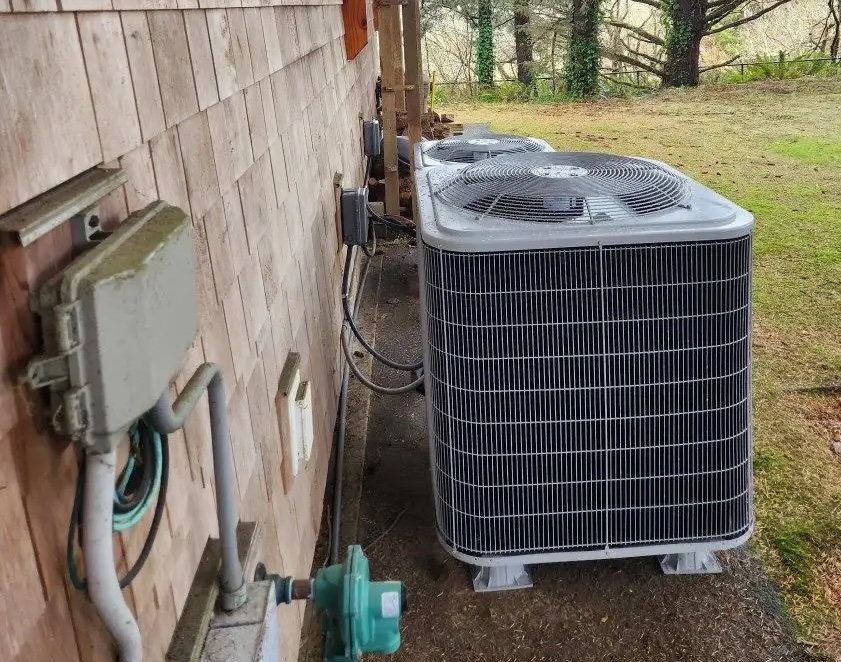
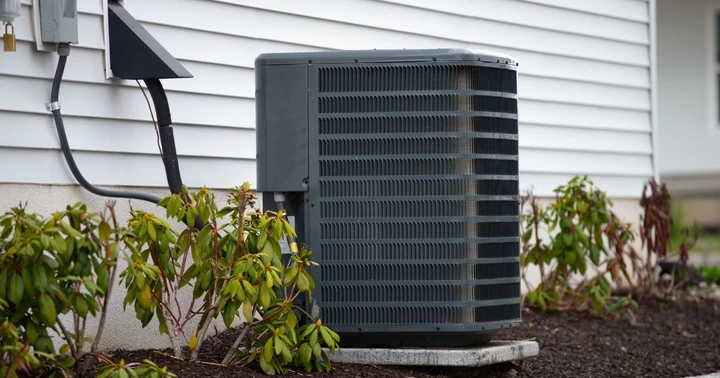
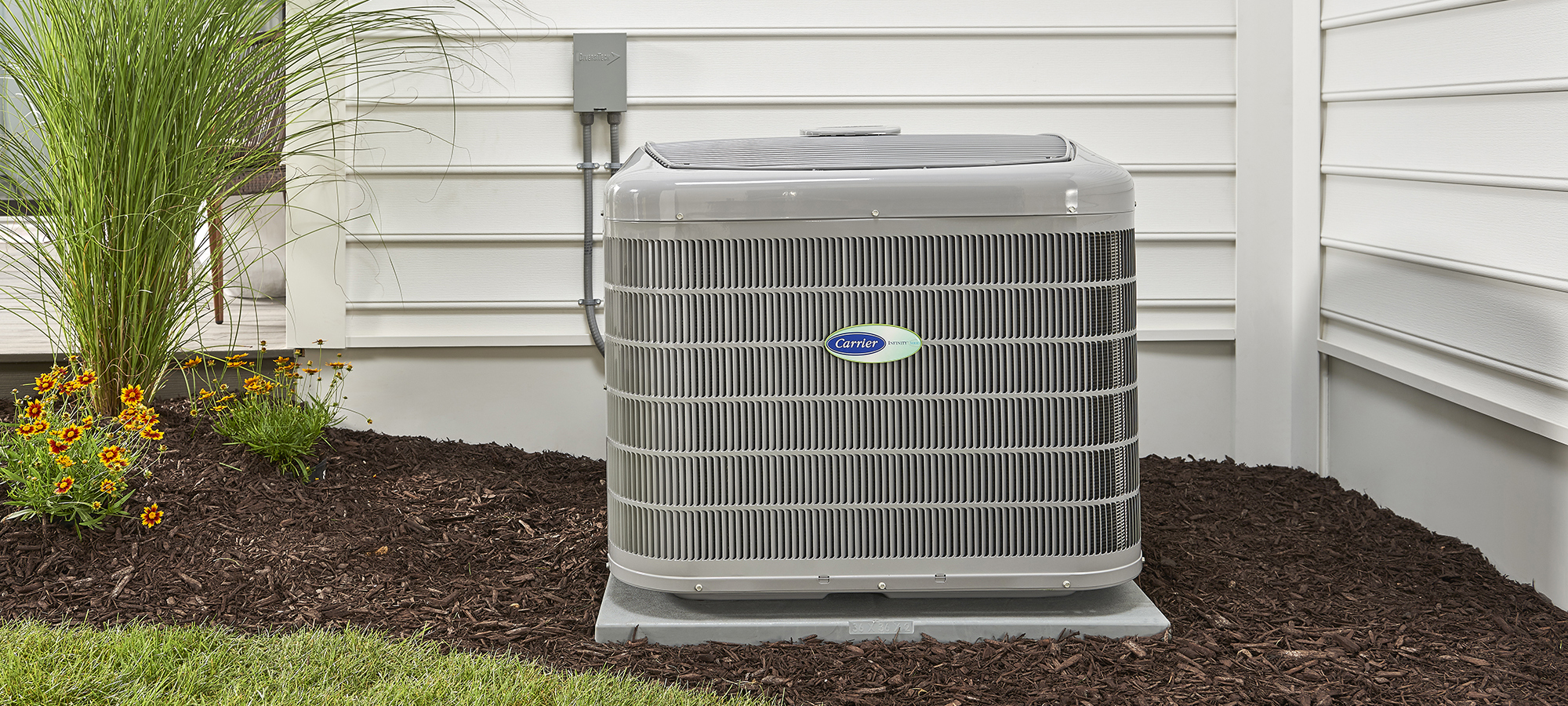
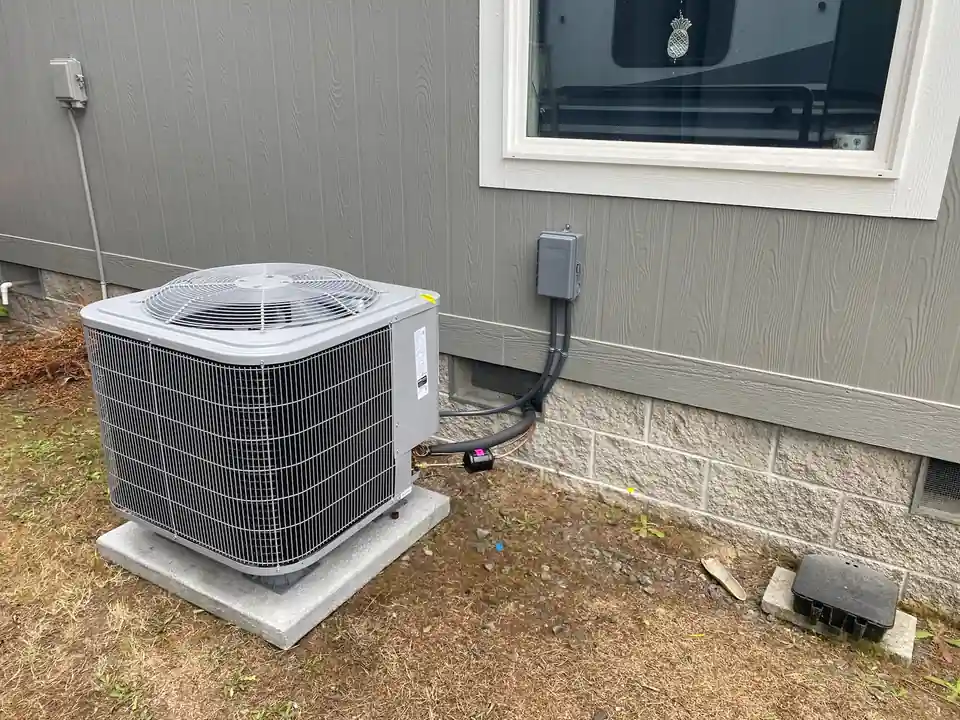
Air conditioning installed in a Bandon home.

Why Does My Oregon Coast Home Feel Humid Even When the AC Runs?

If your home feels humid with the AC on, a few different issues could be going on. While this may not be something you need to worry about, it could also indicate a problem. In Bandon, our marine layer means heating, ventilation, and air conditioning (HVAC) systems have more humidity to contend with. To see how you can reduce your home’s relative humidity (RH), reach out to Alpha Heating & Air for an indoor air quality (IAQ) evaluation.

Why Cooling and Dehumidification Are Connected

On the Oregon Coast, humidity and AC concerns are common. An AC or heat pump is only designed to remove humidity while it is running. Air moves past the coil, allowing water to condense on the coil. If the unit isn’t on, this process cannot happen.

Why Bandon Homes Feel Damp Even in Mild Weather

Bandon homes can feel damp in mild weather because of our marine-layer humidity. Our coastal fog, cool evenings, and crawlspace moisture make this problem worse. Plus, our relatively mild weather means that the cooling cycles don’t run long enough to reduce Bandon home humidity. We often see coastal homes that feel clammy because they reach the appropriate temperature before the humidity level has fallen enough.

Common Reasons Your AC Is Not Removing Enough Humidity

There are a few common reasons why a home feels humid with AC running. If you need assistance with diagnosing your AC or heat pump problem, our team can help.

The System Is Oversized

When an AC is installed, an HVAC technician uses a Manual J load calculation to determine the appropriate size for your square footage, the number of windows, insulation levels, the number of occupants, and other factors. If the system is too large for your needs, it will reach the right temperature and shut off too quickly.

Because of this, you’ll have issues with the AC not removing humidity from the air. With shorter cycles, there just isn’t enough time to remove as much moisture.

Airflow Is Too High or Poorly Balanced

In this situation, air flows across the evaporator coil too quickly. Because there isn’t enough time to remove moisture, your humidity levels will feel uncomfortable. The right solution depends on the cause. For example, we may need to adjust your blower fan speed or fix your ductwork.

The Coil or Filter Is Dirty

Dirty filters and coils are common reasons why homeowners experience Oregon Coast humidity with an AC on. Once these components become dirty, it restricts airflow, increasing the likelihood that the evaporator coil freezes. When this occurs, the coil will struggle to remove any moisture from the air. You’ll also likely notice warmer air coming from your vents.

The Thermostat Settings Are Not Helping

Before you call for AC repairs, you should check your thermostat settings. The fan should be set to “Auto” mode and not “On” mode. If you have it in “On” mode, the fan will run constantly. This can actually increase the humidity levels because the moisture that was collected on your coils gets blown back into your home.

If you have a central humidifier or portable humidifier, don’t forget to check your humidity settings. Family members sometimes adjust settings without telling anyone, leading to uncomfortable humidity levels.

The Home Has Moisture Coming From Ducts, Crawlspaces, or Ventilation

Another common problem we see is leaky ducts. If you have duct leaks, moisture from your crawlspaces can get pulled into the ductwork and end up in your home. You may also notice sweaty ducts, high RH, and uneven room temperatures if the duct insulation is damaged or inadequate.

When the Issue Is More Than Comfort

Dealing with Oregon Coast humidity and AC problems isn’t just a comfort issue. These issues can also impact your family’s health and result in damage to your home. For example, the moisture from sweaty vents can cause warped wood and microbial growth. You should always reach out for an HVAC inspection if you notice sweating vents, window condensation, poor air quality, or musty odors.

Safe Checks Homeowners Can Make First

Homeowners can use the following steps to address coastal HVAC humidity on their own. If these techniques don’t work, it’s time to reach out to our team for professional support.

  1. Check the Filter: Replace dirty air filters. Ideally, filter replacements should occur at least every 30 to 90 days, depending on the manufacturer.
  2. Note Indoor Humidity Patterns: These patterns can help your HVAC technician determine the underlying cause of your AC or heat pump’s humidity problem.
  3. Check the Thermostat Settings: Verify that your thermostat is set to the right temperature and the fan is in “Auto” mode.
  4. Look for Visible Condensation: Visible condensation or puddling indicates different problems. Note where the condensation is occurring and when it is happening.
  5. Record Which Rooms Feel Damp: Go from room to room to see if every room feels damp. Sometimes, there will be a ductwork or airflow issue that causes uneven air distribution.

How Alpha Diagnoses Coastal Humidity Problems

When our team comes out to check your home, we’ll perform the following diagnostic checks to determine the source of your problem.

  • Airflow: We’ll first check your airflow to ensure air moves across the evaporator coil slowly enough to remove moisture.
  • Coil Inspection: Our team will inspect the evaporator coil and clean it as needed.
  • Duct Review: We will inspect your ducts for leaks and damage.
  • Thermostat Settings: Our HVAC technicians will verify that your thermostat is set to the correct temperature and mode.
  • Equipment Sizing: We will analyze your system, recent changes to your home, household occupancy, and other factors to determine if you have the appropriate equipment size.
  • IAQ Evaluation: If no issues are causing the high RH, we may recommend a dehumidifier for your Oregon Coast home.

Schedule Coastal Comfort Service in Bandon

If your home feels humid even with the AC on, there may be a problem with your HVAC system. Our trusted local technicians can evaluate your RH, comfort levels, and system performance. Then, we can quickly fix the problem through our same-day services.

Reach out to get an IAQ evaluation for your home.

Damaged outdoor AC unit needs repair in Bandon home.

Is Salt Air Damaging My Outdoor AC or Heat Pump? Signs to Watch

In Bandon, we get to enjoy a beautiful coastal environment throughout the year. While our climate offers many benefits, it can be harsh on heating, ventilation, and air conditioning (HVAC) components. Salt air can lead to significant corrosion, leading to premature repairs and replacements.

By understanding how salt air is damaging AC components and the best preventive techniques, you can avoid unnecessary damage. If coastal AC corrosion does occur, you can reach out to Alpha Heating & Air for a full evaluation and repairs.

Why Salt Air Is Hard on Outdoor HVAC Equipment

Salt, moisture, and wind exposure work together to accelerate the corrosion on your unit’s coils, fasteners, fins, cabinets, and electrical parts. In one study, salt air was found to corrode coastal homes that were within 80 feet of the shoreline 10 times faster than homes that were 800 feet landward.

The coastal marine environment carries salt aerosols that settle on AC components. Eventually, this leads to salt air heat pump damage, more frequent repairs, and earlier replacements.

Signs Salt Air May Be Affecting Your System

When your Bandon AC is in salt air, it is more likely to develop the following problems.

Corroded Coil Fins

Thanks to our wet winters and salt air, coil fins often become corroded. Eventually, this can lead to refrigerant leaks. If the leak isn’t caught, it can strain the compressor, increase your home’s energy consumption, and result in more costly breakdowns.

Rust on Cabinet Panels or Fasteners

Rust on cabinet panels and fasteners can occur because of the salt air. For the most part, this type of rust is cosmetic in nature and won’t affect your AC performance nearly as much as corroded coil fins or electrical contacts will.

Pitted Electrical Contacts

Another indication of the salt air damaging AC components is pitting. When this occurs, it creates poor electrical connections that can generate heat and increase the risk of electrical arcing. Because of the increased electrical arcing, the contacts will likely need to be replaced.

Reduced Cooling or Heating Performance

Due to salt air heat pump damage, your heating and cooling performance can drop significantly. All of the corrosion, pitting, refrigerant leaks, and other issues from the salty air cause your system to work harder and use more energy than it normally should.

Repeated Outdoor-Unit Repairs

Over time, the salt air can result in more frequent repairs. Eventually, the best option may be to get an AC or heat pump replacement instead of continuing to repair the unit.

Refrigerant Leak Concerns

Because of AC coil corrosion, refrigerant leaks are more common in seaside locations.

What Is Normal Aging vs. a Repair Concern?

Light cosmetic weathering differs from HVAC damage that affects your electrical systems, refrigerant levels, airflow, and overall performance. If you notice any of the following signs, you need to schedule a repair or maintenance appointment.

  • Refrigerant leaks
  • Corrosion on fan blades and motors
  • Premature equipment failure
  • Corroded terminals
  • Pitting or crumbling on the edges of the fins
  • Blue-green corrosion on refrigerant lines
  • Inexplicably high energy bills
  • Unusual noises
  • Ice buildup and frozen coils

What Homeowners Can Do Safely

If you’re dealing with Bandon’s salt air and heat pump damage, there are a few things you can do to protect your system. Through the following prevention techniques, you can avoid future repairs.

  1. Maintain Clearance: Keep 2 to 3 feet of clearance around the outdoor unit. This ensures proper airflow and keeps debris from holding moisture next to the unit.
  2. Avoid Hard Pressure Washing: You should never pressure wash your outdoor unit. Instead, use your hose on a gentle setting to wash away salt, dirt, and debris.
  3. Report Visible Corrosion: If you see any visible signs of corrosion, tell your HVAC technician during your next routine maintenance appointment.
  4. Never Open Electrical Panels: For your safety, you should never open electrical panels. All electrical work should be left to licensed technicians.

When Repair May Not Be the Best Long-Term Choice

While AC and heat pump repairs can resolve some problems, it isn’t right for every case. In the following situations, you may want to replace the unit instead of simply repairing it.

  • Age: An older HVAC system is likely going to need more frequent, costlier repairs. Because of this, an AC or heat pump replacement is likely a better choice.
  • Coil Condition: If there is enough pitting and corrosion on the coils and fins, a replacement is a good option. When you get a new heat pump or AC installation, you can also consider an epoxy-coated coastal unit that withstands the salt air better than standard units.
  • Repeated Repairs: HVAC systems that require repeated repairs over a short time period are likely at the end of their lifespan and should be replaced.
  • Refrigerant History: Units that rely on phased-down (R-410A) and phased-out (R-22) refrigerants can be more expensive to maintain and repair. Homeowners may want to replace these units sooner rather than later.
  • Replacement Planning: If you’re already planning on a future replacement, it may make sense to pull the trigger a little earlier than you expected.

How Alpha Evaluates Coastal Equipment for Salt-Air Damage

If you’re struggling with AC and heat pump corrosion on the Oregon Coast, we can help. Our team can quickly come to your home to perform a full evaluation. We will inspect the coils and electrical components for signs of damage. Then, a technician will use a temperature split test and a manifold gauge set to check your refrigerant levels. We’ll also review your maintenance history and test your unit’s performance.

Schedule Outdoor AC or Heat Pump Service in Bandon

Over time, an outdoor unit’s rust becomes more than just a cosmetic issue. The pitting and corrosion can lead to refrigerant leaks, poor performance, and increased energy bills.

Because of Bandon’s proximity to the beach, it’s common for homeowners to deal with salt air damaging AC components. If you notice visible corrosion or performance changes, reach out to our team for a full evaluation and diagnostics.

Book your heating and cooling inspection today.

Technician repairing a heat pump in Bandon home.

Common Heat Pump Problems on the Oregon Coast

When you live on the Oregon Coast, you can enjoy beautiful shorelines and lush forests. However, coastal living also comes at a cost. Salt air, moisture, and other coastal factors can decrease the lifespan of your heat pump and lead to premature replacements.

To learn the answer to “What are common heat pump problems on the Oregon Coast?”, read on.

Why Coastal Heat Pumps Fail Differently

In coastal areas, there are different usage patterns and climate conditions that can cause your unit to fail prematurely.

Salt, Fog, and Year-Round Runtime

Coastal temperatures and marine fog lead to more frequent defrost behavior. If defrost cycling is beyond normal operation, it can increase wear on your unit.

In Bandon, heat pumps are used for summertime cooling and wintertime heat. Because of this year-round runtime, they wear down more quickly.

Most Common Heat Pump Problems We See on the Coast

When it comes to the most common heat pump problems on the Oregon Coast, our technicians often see the following issues.

Frequent Defrost Cycling

You’ll likely notice your heat pump defrost cycling in fog and marine conditions. While this might be normal, it causes excessive wear on the heat pump.

Reversing Valve Issues

Salt and corrosion can cause components to stick, resulting in faulty solenoid valves and stuck valves. When you have a reversing valve failure on the coast, you’ll know it because your unit will struggle to switch between heating and cooling modes. The good news is that reversing valve malfunctions typically require heat pump repairs and not full replacements.

Iced Outdoor Coil

Thanks to our high humidity and salt buildup, you’re more likely to see an iced outdoor coil in Bandon.

Refrigerant Loss From Corrosion-Related Wear

Corrosion can cause your refrigerant lines to develop leaks and lead to warm airflow in your home. If these leaks aren’t fixed, it can result in damage to your evaporator coil and compressor.

Fan Motor Bearing Wear

Another one of the most common heat pump problems on the Oregon Coast is faulty motor bearings. Rust from the salty, moist air causes these bearings to fail. Once that happens, they can damage the motor as well.

Brand-Specific Error Codes

Our team also gets called out when homeowners see heat pump error codes from the coast’s climate. Errors related to communication, sensor faults, and pressure issues are common. These may be caused by factors such as corrosion, airflow restrictions, refrigerant leaks, or defrost system problems.

Safe Checks a Homeowner Can Make First

As part of your coastal heat pump troubleshooting, try the following solutions first.

  • Air Filters: Boost airflow by changing out dirty or clogged filters.
  • Clearance: Clean a 2- to 3-foot area around your outdoor unit.
  • Thermostat Mode: Verify that the thermostat is set to the right temperature and mode.

Signs It Is Time To Call for Service

If you notice any of the following symptoms, it’s time to call for help.

  • Burning odors
  • Error codes
  • Repeated defrost cycles
  • Persistent ice on the unit

Schedule a Heat Pump Diagnostic on the Oregon Coast

By learning what the common heat pump problems on the Oregon Coast are, you can find out if you have a pressing emergency or a DIY maintenance project. Before you call, make sure to note the error codes, unusual sounds, and recent defrost behavior. It’s also a good idea to take photos of any icing that occurs. Book your heat pump repairs today.

A sweating AC vent needs repair in Bandon home

Sweating Windows and AC Vents on the Oregon Coast

Condensation can result in mold growth, warped wood, and peeling paint, so it’s important to address it right away. Moisture on your windows and vents is often related to issues with your ductwork, crawl space, or AC sizing. Fortunately, long-term damage can be prevented through timely inspections and repairs.

So, why are my windows or AC vents sweating? To learn why this happens and what you can do, read on.

What Causes Condensation on Windows and AC Vents

The main reason for sweating AC vents on the Oregon Coast is that humid air contacts surfaces below the dew point. Basically, the dew point is the temperature that the air has to be cooled to in order to reach a relative humidity (RH) of 100%. If the air is cooled past this point, the water vapor condenses into a liquid.

You see condensation on windows in Bandon when the outside temperature is higher than the window surface temperature. Once relative humidity reaches 100%, the water vapor condenses onto your window.

Why This Problem Is Common on the Oregon Coast

There are a few reasons why our coastal climate is more likely to experience this problem.

Marine Humidity

Due to our marine humidity, homes have a higher baseline moisture than inland communities.

Crawl Space Vapor and Duct Insulation Issues

If your crawl space’s vapor barrier or duct insulation is poor, you’ll experience coastal duct sweating. When hot, humid crawl space air hits the cold ducts, the water condenses.

Oversized Cooling Equipment

It’s common to see homes that have an oversized AC and condensation issues. Oversized ACs reach the set temperature too fast, so they don’t have enough time to lower the humidity level by much.

Simple Steps To Try Before Calling

Before you call for help, try these simple solutions.

  • Exhaust Fans: Kitchen and bathroom exhaust fans are essential for venting smoke and water vapor out of your home.
  • Setpoint Changes: Adjusting the temperature may help. If your home is too cold or too hot, condensation is more likely to form on the inside or outside of the window.
  • Return Air Check: For proper airflow, remove any blockages in front of the return grille.
  • Humidifier Adjustments: If you have a central humidifier, double-check that it is turned off.

Fixes That Usually Require a Technician

In general, you’ll need a professional technician for the following upgrades and repairs.

Duct Insulation and Sealing

Our team can inspect your ductwork and determine if you need duct sealing or insulation repairs performed.

IAQ Assessment

Our IAQ assessment reviews the humidity level and contaminants in your home’s air supply, so you can determine the right IAQ solutions.

Proper Sizing on Replacement

To avoid an oversized unit, our team will carefully calculate the ideal size for your next AC replacement.

Whole-Home Dehumidifier: When Chronic Humidity Justifies It

If you’re tired of wondering, “Why are my windows or AC vents sweating?”, you’re not alone. For homes that deal with chronic humidity issues, a whole-home dehumidifier may be a worthwhile investment. These units treat the air that circulates in your HVAC system and reduce the overall humidity level in your home.

Schedule a Ductwork and IAQ Visit on the Coast

Stop coastal moisture before it causes bigger problems. Ready to fix sweating AC vents on the Oregon Coast? From crawl space moisture to installing a dehumidifier, Alpha Heating & Air can evaluate your humidity issues and find the most effective solution.

Book your professional IAQ evaluation today for reliable solutions that help keep your Oregon Coast home drier, healthier, and more comfortable.

Outside AC unit in Portland repaired by a technician.

Common Reasons Your AC Is Loud

When your AC starts humming loudly or making a clanging sound on a hot day, it can inspire panic. While unusual noises may be unnerving, they aren’t always a sign of immediate danger. In some cases, you can troubleshoot these problems on your own.

Why is my AC making that noise? And how can I fix it? For more information about resolving unusual AC noises and when you need professional help, read on.

Normal AC Sounds vs. Problem Noises

Before you schedule professional heating, ventilation, and air conditioning (HVAC) services, it’s important to understand which AC symptoms are cause for concern.

Startup Click vs. Warning Sounds

A normal AC will often produce a slight humming noise when it’s on. As the thermostat signals the unit to turn on and off, you may hear a single click.

You should schedule repairs for your AC if you hear the following noises.

  • Grinding
  • Clicking
  • Rattling
  • Hissing
  • Screeching
  • Squealing
  • Banging
  • Loud or unusual buzzing and humming

What Common AC Noises Usually Mean

So, why is my AC so loud in Bandon? To get a better understanding of troubleshooting these problems, let’s check out some of the most common sounds and what they mean.

Clicking

If you notice a continuous AC clicking noise on the coast, there may be an electrical malfunction. Unfortunately, Bandon’s seaside climate means that electrical problems are more common. You can troubleshoot by tightening the panel and replacing thermostat batteries. If this doesn’t work, our team will check for problems with your contactor, capacitor, or compressor.

Buzzing

An AC buzzing noise on the coast is often due to electrical issues as well. We may need to replace your capacitor, contactor relay, or loose electrical connections.

Hissing

The humid, salty air in Bandon causes corrosion and rust. Eventually, this can result in breaks in your refrigerant lines. An AC hissing sound in Bandon is an immediate problem. Besides posing a possible health hazard, it can also result in your AC blowing warm air. Shut off your AC before calling our team to find and fix your refrigerant leak.

Grinding or Squealing

When you hear an AC grinding noise, the salt air may have worn out your motor bearings or damaged your fan blades. This noise can also happen if your compressor is failing. All of these problems must be addressed by a professional HVAC technician.

Screeching

If your motor bearings or fan belt (in older ACs) are failing, it can cause a screeching noise. This can also occur due to a failing compressor. In all of these circumstances, you should immediately shut off your unit to prevent further damage.

Banging or Rattling

Saltwater corrosion can cause an unbalanced fan blade, corroded components, or a failing compressor. AC rattling in the condenser may be due to debris. While you can clean the outdoor condenser with your hose on a low setting and remove some debris, the other problems must be diagnosed by a technician.

Noises That Mean Shut the System off Right Away

If you notice any of the following sounds or warning signs, immediately turn off your AC and call for help.

  • Hissing noises
  • Screeching sounds
  • Burning odors

Safe Checks Before a Repair Call

Before you call for repairs, there are a few safe checks you can perform.

Debris, Filter, and Visible Fan Obstruction

First, turn your AC off. Using your hose on a low setting, clean the outdoor condenser to remove any debris. You can also check for anything obstructing the fan.

To avoid airflow and performance problems, remember to replace dirty filters. Depending on the manufacturer, this should generally be done every 30 to 90 days.

Schedule AC Repair in Bandon

If you’ve ever wondered, “Why is my AC so loud?”, Bandon HVAC inspections can help. Note when your sound starts and if there were any performance changes. Then, let your HVAC technician know this information.

Reach out to Alpha Heating & Air or call 541-238-2973 today for professional diagnostics and repairs.

AC compressor outside of a home in Bandon, OR

AC Compressor Not Working: Common Coastal Causes and Safe First Checks

As temperatures start to rise, you don’t want to have an AC compressor not working on the Oregon Coast. The good news is that the same symptoms may be due to an easier repair. By reaching out to our heating, ventilation, and air conditioning (HVAC) team for help, you can get professional diagnostics for common coastal issues.

Why is my AC compressor not working? To find out if your compressor is the underlying problem and your options for AC repairs in Bandon, read on.

Signs It Is the Compressor, the Fan Motor, or the Capacitor

Before you can get AC repairs, you first have to find out what’s wrong with your unit. As a general rule, you’ll notice the following symptom patterns for compressor, fan motor, and capacitor malfunctions.

  • Compressor: A faulty compressor will likely be silent or fail to start. You may notice warm airflow and repeated tripped breakers. The system may also shut down unexpectedly.
  • Fan: When the fan motor malfunctions, you may notice burning odors and rattling sounds. The fan may also stop spinning.
  • Capacitor: If you have a compressor humming and not starting, it is likely due to the capacitor not providing the necessary start-up energy.

The Most Common Coastal Causes of Compressor Failure

From finding a condenser dead to having a salt-corroded contactor, coastal conditions cause added strain for your AC. If you’re wondering, “Why is my AC compressor not working?”, the following are some of the major causes of coastal compressor failures that may be at fault.

Pitted Contactor Points

In our coastal environment, salt air and humidity lead to contactor rust and pitting.

Failed Capacitor

Similarly, our climate can result in your coastal AC capacitor failure. This can look like a full compressor failure, which is why professional diagnostics are so important.

Thermal Overload From Fouled Coils

The accumulation of salt, sand, and moisture can cause fouled coils. Because these coils work less effectively, this leads to high refrigerant pressure and overheating. In turn, this added strain can cause the compressor to fail.

Refrigerant Loss From Corrosion-Related Leaks

Corrosion can cause refrigerant to leak out. This forces your compressor to work harder in order to circulate the refrigerant.

Actual Winding Failure

Due to the salty sea air, moisture can lead to electrical shorts and corrosion. All of these problems can result in premature winding failure.

Safe Checks To Make Before Calling

Before you call for professional compressor troubleshooting in Bandon, there are a few safe checks you can perform first.

  • Reset the Breaker Once: Try resetting the breaker. However, you should only do this once. Recurring tripped breakers indicate an underlying electrical problem that should be resolved by a professional.
  • Check the Disconnect: Make sure the safety switch near your outdoor unit is in the “on” position. There should not be visible signs of damage, such as rust, signs of burning, or melted plastic.
  • Look for Visible Corrosion and Debris: Clogged units and corrosion-related damage can cause AC performance problems.

When To Stop and Call a Professional Technician

You should immediately shut off your AC and call for help if you notice the following symptoms.

  • Burning odors
  • Oil residue
  • Repeated breaker trips

To determine the problem, our NATE-certified technicians will check your line voltage, capacitor performance, contactor performance, and winding resistance. The results of these tests will tell us if you need a new AC compressor or a different repair.

Schedule a Coastal Compressor Diagnostic

If your AC compressor is not working on the Oregon Coast, we can help. We can review your history of tripped breakers, model number, and HVAC symptoms to determine the problem.

Whether you need a full cooling system replacement or emergency AC repairs in Bandon, Alpha Heating & Air offers the no-interest loans and upfront pricing you need. Learn more by reaching out to our HVAC experts today.

Technician discussing HVAC financing options to Bandon homeowner.

HVAC Financing Options on the Oregon Coast in 2026

When disaster strikes, the right coastal HVAC payment plan can make a replacement easier to manage. Through no-interest financing and rebates, you can make a replacement more affordable.

How do I finance HVAC work on the Oregon Coast? To learn more about what to expect, read on.

Typical Coastal HVAC Cost Factors Before Incentives

Before you calculate special promotions, rebates, or other incentives, you can expect to pay the following amounts for each installation type.

Equipment, Coatings, Ductwork, and Installation Variables

However, it’s important to note that this cost can vary based on your installation complexity, ductwork updates, and equipment requirements. For example, a 5-ton AC will cost more than an AC with a 1.5-ton capacity.

For fewer repairs and a longer system lifespan, we also recommend getting a corrosion-resistant coating applied to your HVAC unit. In a coastal area, this kind of coating is effective for protecting key components from rust and extending your unit’s lifespan.

Financing Options Alpha Heating & Air Offers

From no-interest financing to monthly payments, our local HVAC company is here to help you access convenient HVAC financing on the Southern Oregon Coast.

100 Percent No-Interest Financing

At Alpha Heating & Air, we help residents afford upgrades and repairs with our 100 percent no-interest HVAC financing. There are also other financing options available that have longer terms and higher interest rates, so you can apply for the plan that matches your needs.

Monthly Payment Plans

To make repayment easier, many financing plans divide the approved amount into fixed monthly payments. Your actual monthly payment depends on the project cost, loan terms, interest rate, and lender approval.

How Approval Usually Works

So, how do you finance HVAC work on the Oregon Coast? With the help of our financing partner, you can cover the cost of your new furnace, heat pump, or AC installation. In most cases, approval takes just a few minutes, and the entire process can be handled online.

Credit-Based Approval and Timing

After applying online, your credit profile is reviewed. Approval normally arrives within minutes. Once your installation is scheduled, the funds can be sent to your HVAC contractor in just a couple of days.

How Rebates and Tax Credits Fit Into the Overall Cost

Through the 25C HVAC credit, Energy Trust heat pump rebates, and manufacturer promotions, you can lower the cost of your new heating and cooling upgrade.

Energy Trust of Oregon

The Energy Trust of Oregon offers incentives for energy-efficient cooling systems, although they predominantly focus on ductless mini-splits and heat pump installations.

Federal 25C

Through the Energy Efficient Home Improvement Credit (25C), homeowners can get up to $600 for specific types of AC installations. For energy-efficient heat pumps, the maximum is $2,000. The credit covers 30% of qualified expenses, up to the stated limits.

Carrier Cool Cash When Active

Through Carrier’s Cool Cash rebates, homeowners can receive significant rebates. This promotion is only available at certain times, so the actual rebate amount can vary.

Sample Monthly Payment on a Standard HVAC Project

To see how AC or heat pump financing works in Bandon in practice, let’s look at two basic examples of hypothetical projects.

Example 1

  • Project Cost: $5,000
  • Interest Rate: 0%
  • Term Length: 2 years (24 payments)
  • Monthly Payment: $208.33

Example 2

  • Project Cost: $10,000
  • Interest Rate: 9.99%
  • Term Length: 10 years (120 payments)
  • Monthly Payment: $132.09

Despite the examples mentioned, it is best to request a current financing estimate based on your actual project. Your monthly payment will depend on your approved financing amount, repayment term, interest rate, and any promotional terms available at the time.

Talk Through HVAC Financing in Bandon

So, how do I finance HVAC work on the Oregon Coast? Through our financing partner, homeowners can quickly apply for their project financing. Afterward, rebates, tax credits, and manufacturer incentives can help reduce the total cost of the project.

Technicians replacing a heat pump in Bandon

When to Replace Your Heat Pump on the Southern Oregon Coast

Energy-efficient heat pumps are a convenient way to heat and cool your home. These systems are known for being effective in mild climates like Bandon. However, even a well-maintained heat pump will eventually break down and need a replacement.

When should I replace my heat pump on the Oregon Coast? And how do I know when a replacement is needed? To start planning your upgrade, read on.

Expected Heat Pump Lifespan on the Coast

You’ll generally need more frequent heat pump replacements on the Oregon Coast. While inland heat pumps often last 10 to 15 years before a replacement is necessary, the coastal heat pump lifespan may only be around 8 to 12 years.

Why Year-Round Runtime Shortens Lifespan

Unfortunately, the salt air and coastal climate cause corrosion and pitting on the metal components. Because heat pumps have to be used year-round in Bandon, this leads them to break down sooner. Additionally, colder air temperatures in the winter mean that the heat pump must use its defrost mode more frequently.

Main Signs It Is Time To Replace the Heat Pump

If you notice the following heat pump symptoms, it’s time to start considering a heat pump replacement in Bandon.

Coil Corrosion

Salt air and humidity lead to added corrosion. You’ll notice white, green, and red discoloration from rust residue. There may also be pitting on the fins.

Frequent Defrost or Reversing Valve Problems

If defrost mode is on more often than normal or the reversing valve isn’t working, it’s time to consider an upgrade.

Repair Costs Are Over 50% of the Replacement Price

As a general rule of thumb, a new installation is the best choice if your repairs will cost at least half the cost of a new unit.

Declining Efficiency

A drop in energy efficiency is a sign that your unit is reaching the end of its normal lifespan.

Supplemental Heat Running Too Often

Supplemental heat should only be used for the coldest days of the year. If your heat pump’s performance is declining, the supplemental heat will turn on more often.

Rising Bills

Because of the performance and energy-efficiency issues that occur as a heat pump ages, your utility bill will typically increase as the unit approaches replacement.

How New Refrigerants and Cold-Climate Models Affect the Decision

If you’ve been considering, “When should I replace my heat pump on the Oregon Coast?”, it helps to look at the big picture. The refrigerant type and your existing model play an important role in your decision.

Since the R-22 refrigerant was phased out, R-22 systems have become obsolete. While it’s still possible to service existing units, the repair and maintenance costs will only continue to grow. If you currently use this refrigerant type, it may be time to upgrade to a new model, like an R-454B heat pump.

You may also want to look into a cold-climate heat pump upgrade. These units offer significantly better performance in colder temperatures, making them a better source of winter heat.

Rebates and Credits That Help With Replacement

By taking advantage of manufacturer promotions, tax credits, or heat pump rebates on the Oregon Coast, you can lower the overall cost. The Federal 25C credit can cover 30% of your energy-efficient heat pump cost, up to $2,000. Plus, the Energy Trust of Oregon and heat pump manufacturers often have promotions and incentives as well.

Schedule a Heat Pump Replacement Opinion on the Coast

If your heat pump is reaching the end of its lifespan, we can help. Our team can evaluate your existing setup and determine if you need to schedule a heat pump replacement on the Oregon Coast.

Get an evaluation and upfront pricing by reaching out to our team today.

Technician inspecting an AC for replacement in Bandon, OR

Signs Your AC Needs Replacement on the Southern Oregon Coast

In a coastal environment, heating, ventilation, and air conditioning (HVAC) systems are more likely to struggle. While routine maintenance can prevent corrosion and other issues, you’ll likely need an AC replacement in Bandon earlier than homeowners do in inland areas.

Expected AC Lifespan in a Coastal Climate

You may need an AC replacement in Bandon after just 7 to 12 years. In comparison, inland units often last 15 years or more before an AC replacement needs to be scheduled.

Why Coastal Lifespan Is Shorter Than Inland Lifespan

In our coastal climate, we have to deal with salt air and AC corrosion. This significantly reduces the coastal AC lifespan because rust and pitting develop much sooner than they do for inland systems. For homes near the beach, this is an especially common problem.

Six Coastal Signs Your AC Is Done

So, how do I know when my AC needs replacing? If you notice the following symptoms, you should start saving up for a new AC installation.

Coil or Fin Corrosion

Coil and fin corrosion are common along the coast because of the salt air. Once these issues develop, it’s likely time for a replacement. To prevent this problem in the future, we recommend regular AC maintenance appointments. Our team can clean the components and apply a corrosion-resistant coating, so your unit lasts longer.

Refrigerant Leaks at Vulnerable Joints

When major refrigerant leaks develop, it’s time to consider a replacement.

An R-22 System Still in Service

Because of the ban on R-22, units that rely on this refrigerant should be replaced when they start needing repairs. While these systems can still be serviced, accessing parts and the refrigerant will grow more challenging and costly.

A Repair Cost Above 50% of the Replacement Price

You can use your repair costs to determine when to replace an AC on the Oregon coast. If the cost of repairs is more than 50% of the price of a new AC unit, getting a new AC is likely the better long-term choice. This is especially true if you’re experiencing any performance issues. If you need help deciding when to repair or replace an AC on the coast, you can always reach out to our team for a professional evaluation.

Repeated Breakdowns

When an AC breaks down more frequently, it indicates your unit is reaching the end of its natural lifespan. At this stage, it will be more cost-effective to replace the unit.

Rising Operating Costs

Increasing operating costs are a sign that you may need to consider an AC replacement for your Bandon home. ACs lose energy efficiency as they develop wear and damage. In many cases, this is one of the earliest signs that an AC replacement is needed.

How the 2026 Refrigerant Changes Affect Replacement Timing

Because of the R-410A phasedown, coastal ACs should be replaced sooner rather than later. While these units can still be used, they will become harder to service, and parts may become more difficult to find as manufacturers discontinue these product lines.

Rebates and Credits Coastal Homeowners Should Review

For many homeowners, the choice of when to replace an AC on the Oregon coast is based on the cost. Through the Energy Trust of Oregon, the Energy Efficient Home Improvement Credit, and local utility providers, you can often find incentives, rebates, and tax credits that can defray the cost of a new air conditioning unit.

Schedule an AC Replacement Opinion on the Oregon Coast

How do I know when my AC needs replacing? You may need an AC replacement in Bandon if your AC is approaching the 10-year mark and has a lot of coastal exposure. Poor performance and visible corrosion are also signs that you should schedule a replacement or AC repairs.

Learn more about our replacement options by giving us a call today at 541-238-2973.

Technician servicing a heating system during maintenance in Bandon

Protecting Your Heating System From Bandon’s Coastal Salt Air

From its Circles in the Sand labyrinth to the Coquille River lighthouse, Bandon is famous for its oceanfront environment. While residents love the dramatic coastline and sea air, the salt can wreak havoc on heating, ventilation, and air conditioning (HVAC) equipment. To avoid unexpected breakdowns and costly repairs, homeowners should be proactive about dealing with salt air and heating system damage in Bandon, Oregon.

Why Bandon Homes Face Unique Heating Challenges

Most Oregonians don’t have to worry about the impact of salt air on their heat pump or furnace because they live too far from the sea. Our local difficulties exist because of how salt air impacts equipment. If you live close enough to the ocean, you’ll need to monitor furnace and heat pump corrosion in Bandon, Oregon.

The Science of Salt Air Corrosion

When it comes to salt air and heating system damage in Bandon, OR, there are a few scientific mechanisms involved. Salt contains sodium chloride, which is known to accelerate corrosion when it’s in the presence of water. Additionally, salt particles attract water. Once these particles are on the unit, they cause the unit to remain moist. Salt and water also form an electrolyte solution. Because of the heat pump’s copper tubes and aluminum fins, galvanic corrosion occurs.

How Close to the Ocean Is Too Close?

You should be concerned about salt air and heat pump damage on the Oregon Coast if you are within five miles of the ocean. Homes that are within a mile or less of the ocean are at an even higher risk level.

How Salt Air Affects Each Part of Your Heating System

You can visually see the impact of salt air on your HVAC equipment. Chalky white oxidation and pitting can build up on the aluminum fins, and a green-gray corrosion can start to build up on the unit’s electrical contacts.

Outdoor Coils and Refrigerant Lines: The First Line of Attack

The coils and refrigerant lines are often the first locations to deal with salt air and heating system damage in Bandon, Oregon. Corrosion attacks both areas, leading to refrigerant leaks and lower energy efficiency.

Electrical Contacts and Control Boards: The Hidden Risk

You can see green-gray corrosion on electrical contacts from salt air. Over time, the salt moisture can get into the control board and cause error codes. If this isn’t resolved, it can result in a total failure.

Heat Exchanger Corrosion: Why This One Matters Most for Safety

When corrosion occurs on heat exchangers, it eventually causes pitting. This can cause the heat exchanger to crack and leak carbon monoxide gas. If this happens, immediately turn off the unit and call for help because this is a serious safety risk.

Signs Your Heating System Has Salt Air Damage

If you notice the following signs, it’s time to schedule heat pump maintenance in Bandon, OR.

Visible Rust or White Corrosion on the Outdoor Unit

Rust and corrosion indicate that the salt air is already degrading your heating system. Left untreated, this can lead to lower energy efficiency and HVAC failure.

Reduced Heating Performance Without an Obvious Cause

When your heating performance drops without any obvious reason, there is likely something wrong with your unit.

Increased Energy Bills With No Change in Usage Habits

If you’re dealing with furnace or heat pump corrosion in Bandon, Oregon, you’ll likely experience higher energy bills because your system has to work harder to achieve the same performance level.

Why Bandon Homes Need Maintenance More Often Than Inland Homes

When you live in areas like Face Rock, Beach Loop Drive, and the Old Town waterfront, you’ll experience significantly more corrosion than places that are just five miles inland on Highway 32. Salt air worsens corrosion, shortening the lifespan of condenser coils and electrical components. Plus, wind, sand, and high humidity levels add to the strain.

The Coastal Maintenance Standard: Twice a Year, Not Once

When it comes to coastal heating system maintenance in Oregon, you need to schedule two tune-ups per year instead of one. This extra tune-up is essential for cleaning delicate components and equipment to reduce the impact of salt corrosion.

What a Coastal HVAC Tune-Up Covers

As a part of our coastal HVAC maintenance in Bandon, OR, we make sure to carry out the following activities during each tune-up.

  • Clean off salt, sand, and corrosion from fins, coils, and other important components.
  • Use a corrosion-resistant coating to protect the unit.
  • Check electrical systems for damage, which is more common in coastal units.
  • Tighten components that have been loosened by the wind.
  • Flush the drain line.
  • Conduct a deep coil cleaning.

How to Protect Your System From Salt Air Damage

Besides scheduling HVAC maintenance in coastal Oregon, there are a few important steps you can take to prevent damage and protect your unit’s longevity.

Corrosion-Resistant Coil Coatings: What They Are and How They Work

When dealing with heat pump corrosion in Bandon, Oregon, one of the best things you can do is use corrosion-resistant coil coatings. These spray-on barriers protect the coils from moisture and salt.

Rinsing Your Outdoor Unit: The Simple Monthly Habit

You can use fresh water from your garden hose to rinse off salt each month.

Choosing Coastal-Rated Equipment

By deciding to install a corrosion-resistant heat pump in Bandon, you can prevent damage and save on repairs. For example, Carrier’s Coastal line was designed to work well in seaside areas.

Frequently Asked Questions

How long does a heat pump last near the Oregon coast?

While a heat pump typically lasts 10 years or more, units in coastal areas may fail in less than 10 years. By scheduling tune-ups and taking steps to prevent salt damage, you can extend the lifespan of your unit as much as possible.

Does salt air void my HVAC warranty?

No, it doesn’t. However, salt-related corrosion and damage can be denied for coverage because they are counted as “environmental damage” or a “lack of maintenance.” Often, warranties in coastal areas have special restrictions. The best way to ensure your unit lasts as long as possible is by consistently booking your coastal HVAC maintenance in Bandon, OR.

Protect Your Heating System From the Salt Air

Bandon’s salt air doesn’t take a season off, and neither should your heating maintenance. If your system is overdue for a coastal tune-up, schedule your heat pump service with Alpha Heating & Air. Our team has been caring for Bandon homes since 1993.